Instant Pot Quinoa and Black Bean Chili
10m easy
gluten-free vegan
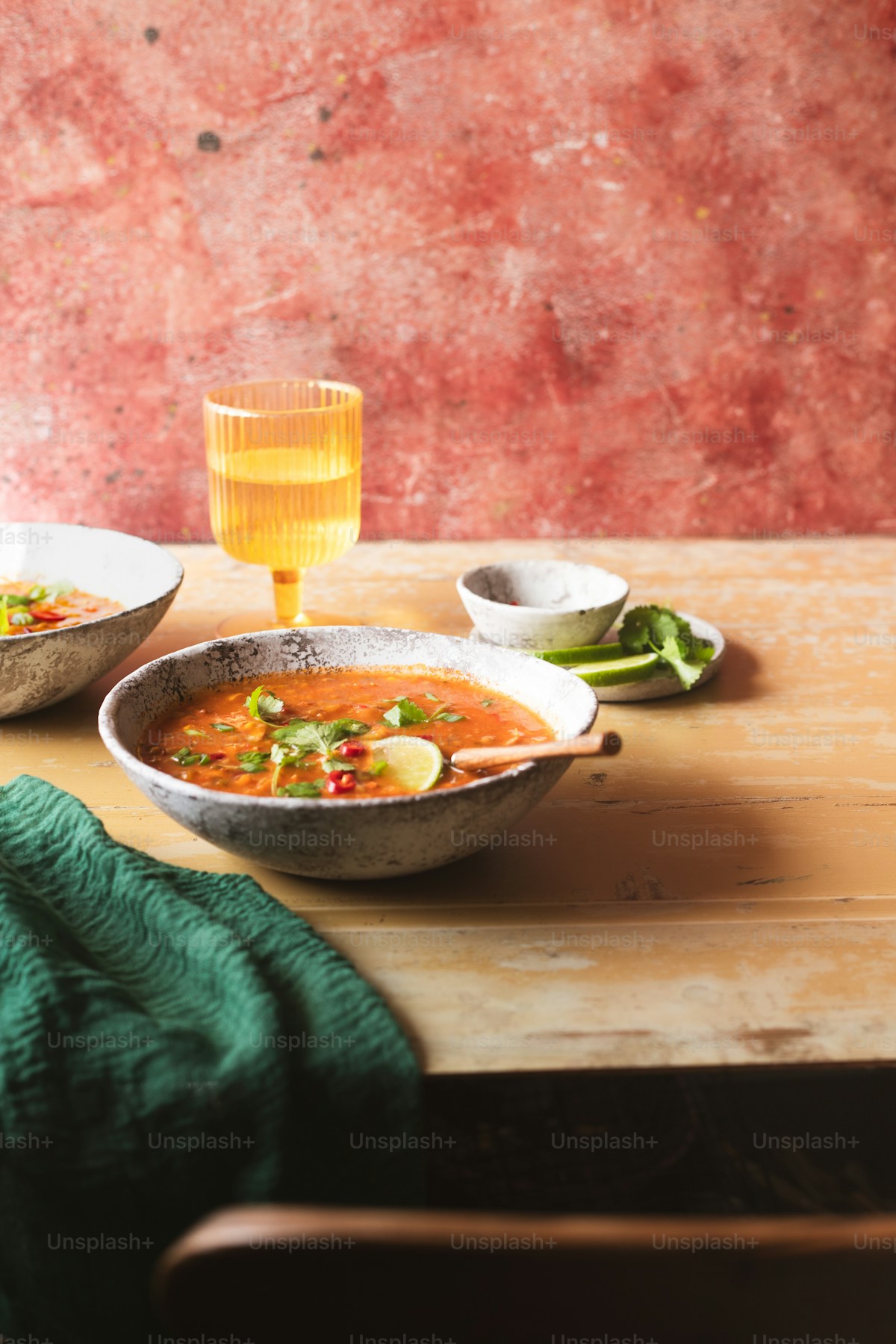
A hearty one-pot vegetable soup loaded with quinoa, carrots, celery, zucchini, tomatoes, and spinach. Naturally vegan, gluten-free, and packed with fiber.
This is the kind of soup you make when the fridge is full of vegetables that need to be used and you want something warm and filling without spending an hour at the stove. The quinoa turns what would be a light vegetable broth into a substantial dinner, adding body and protein to every spoonful. It thickens naturally as it cooks, releasing just enough starch to give the broth a silky quality without any cream or flour.
Most grains turn to mush in soup if you look at them wrong. Rice dissolves, pasta gets bloated, and barley takes forever to cook. Quinoa is different. It cooks in 15 minutes, holds its shape even when reheated, and adds about 8 grams of complete protein per cup. That protein makes this soup genuinely satisfying as a main course rather than a starter. If you are looking for more ways to use quinoa as a base, our quinoa soup recipes guide covers several variations.
The key is adding the quinoa directly to the broth rather than cooking it separately. This lets the grains absorb the tomato-herb flavored liquid, so every bite tastes like the soup itself rather than plain grain floating in broth.
The mirepoix — onion, carrots, and celery — is the backbone of this soup. Cooking them in olive oil for five to six minutes before adding liquid develops a sweetness that you cannot get by just dumping everything into the pot at once. The vegetables should be soft but not browned.
Toasting the dried herbs in oil activates their essential oils and makes them taste significantly more vibrant. This is a technique borrowed from Italian cooking (called blooming spices in some traditions) that takes one minute and makes a noticeable difference. The smoked paprika adds a subtle warmth that keeps the soup from tasting one-dimensional.
Crushed tomatoes provide a thicker base than diced tomatoes would. They break down into the broth and create a rich, slightly creamy texture. If you only have diced tomatoes, pulse them briefly in a blender or just use them as-is for a chunkier soup.
Not all vegetables cook at the same rate, which is why the recipe adds them in stages. Carrots and celery go in first because they are dense and need the full cooking time to soften. Zucchini goes in near the end because it turns to mush in about 8 minutes of simmering. Spinach goes in last — it wilts in under a minute and should retain its bright green color and some texture.
This staged approach is what separates a well-made vegetable soup from one where everything is cooked to the same level of softness. You want contrast in each spoonful: tender carrots, slightly firm zucchini, and bright spinach alongside plump quinoa grains.
This recipe is a template as much as it is a specific dish. Nearly any vegetable works here:
Fall and winter: Swap the zucchini for diced butternut squash or sweet potato. Add them with the carrots since they take longer to cook. A handful of chopped kale in place of spinach holds up well to longer simmering.
Spring: Add asparagus tips and fresh peas in the last 3 minutes. Use fresh basil instead of dried oregano.
Extra hearty: Add a drained can of white beans or chickpeas when you add the quinoa. This bumps the protein significantly and makes the soup even more filling.
Spicy: Stir in a teaspoon of harissa paste or a diced jalapeño with the garlic for a soup with some kick.
The soup is excellent on its own with crusty bread, but it also works well as part of a larger meal. Serve it alongside quinoa patties for a satisfying plant-based dinner, or with lemon herb quinoa on the side for extra substance.
A drizzle of high-quality olive oil right before serving adds richness and a peppery bite. A squeeze of lemon juice is already in the recipe, but an extra wedge at the table lets people adjust the brightness to their taste.
This soup is a meal prep champion. It stores in the fridge for up to 5 days and freezes beautifully for up to 3 months. The quinoa will continue to absorb liquid as it sits, so the soup thickens over time. Add a splash of broth or water when reheating to loosen it back up.
For freezing, let the soup cool completely, then portion into freezer-safe containers leaving about an inch of headspace for expansion. Thaw overnight in the fridge and reheat on the stovetop over medium heat. The vegetables and quinoa hold their texture surprisingly well through the freeze-thaw cycle, which is more than you can say for most soups with pasta or rice.
Heat the olive oil in a large pot or Dutch oven over medium heat. Add the diced onion, carrots, and celery. Cook for 5 to 6 minutes, stirring occasionally, until the onion is translucent and the vegetables have started to soften. Add the garlic and cook for 30 seconds until fragrant.
Stir in the oregano, thyme, smoked paprika, salt, and pepper. Toast the herbs for about 1 minute, stirring constantly. Pour in the crushed tomatoes and vegetable broth. Add the bay leaf and rinsed quinoa. Stir everything together and bring to a boil.
Once boiling, reduce the heat to medium-low, cover, and simmer for 15 minutes. The quinoa and vegetables should be tender. Add the diced zucchini and cook for another 5 minutes uncovered. The zucchini cooks faster than the root vegetables and goes mushy if added too early.
Remove the bay leaf. Stir in the fresh spinach and let it wilt for about 1 minute. Add the lemon juice and taste for seasoning, adjusting salt and pepper as needed. The lemon juice brightens the whole pot — do not skip it.
Ladle into bowls and serve hot. A drizzle of good olive oil and a sprinkle of red pepper flakes on top are optional but recommended. Crusty bread on the side makes this a complete meal.
Join 1,000+ home cooks who get weekly quinoa recipes and tips.
No spam. Unsubscribe anytime.