Fluffy Gluten-Free Quinoa Pancakes
10m easy
gluten-free vegetarian
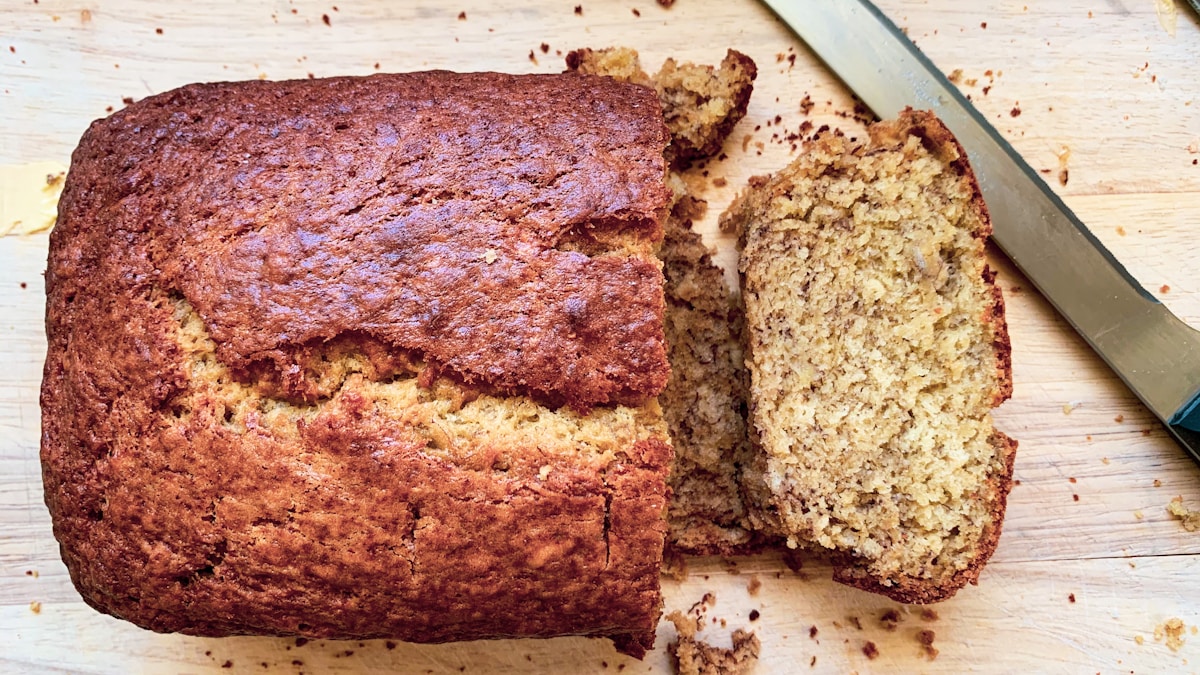
Moist, tender banana bread made with cooked quinoa folded into the batter for extra protein and a subtle nutty texture. A wholesome twist on a classic comfort bake.
Banana bread does not need reinventing. The standard recipe — mashed bananas, butter, sugar, flour, eggs — has been producing excellent results in home kitchens for decades. What it can benefit from is a quiet upgrade that adds protein and texture without announcing itself. That is exactly what cooked quinoa does in this loaf.
Half a cup of cooked quinoa, folded into the batter alongside the mashed bananas, does two things. First, it adds roughly 4 grams of complete protein to each slice, turning banana bread from a pure indulgence into something marginally more nutritious. Second, it creates tiny pockets of tender, slightly chewy texture throughout the crumb. They are subtle — most people will not identify quinoa as the source — but they make the bread more interesting to eat.
The rest of the recipe stays faithful to the classic. Ripe bananas for sweetness and moisture. Butter for richness. Greek yogurt for tang and tenderness. A touch of cinnamon and nutmeg. The quinoa is an addition, not a substitution, and the bread tastes like banana bread first and foremost.
The single biggest factor in banana bread quality is not technique or temperature — it is the ripeness of the bananas. You want bananas that are heavily spotted brown, ideally with patches of black on the peel. These bananas are sweeter, softer, and more aromatic than yellow bananas with green tips.
If your bananas are not ripe enough, there are two strategies. The fast method is to place unpeeled bananas on a parchment-lined baking sheet and bake at 300 degrees Fahrenheit for 15 to 20 minutes until the peels turn black and the bananas feel very soft. They will not be quite as sweet as naturally ripened bananas, but they will work. The better method is patience — put the bananas in a paper bag with an apple and check them in two days.
Three medium bananas yield about one and a quarter cups of mashed banana, which is the right amount for this recipe. Mash with a fork rather than a blender or food processor — you want some small chunks to remain. Those chunks create pockets of intense banana flavor in the finished bread.
The quinoa needs to be cooked and cooled before it goes into the batter. Warm quinoa can partially cook the eggs on contact and create pockets of tough, rubbery texture. Cold quinoa from the refrigerator is ideal. If you cooked the quinoa fresh, spread it on a plate and refrigerate for 15 minutes.
Half a cup is the right amount. More than that and the bread begins to taste grainy and the texture shifts from tender to dense. Less than that and the quinoa disappears entirely, which defeats the purpose.
White quinoa works best in baked goods because of its mild flavor and soft texture. Red or tricolor quinoa will work but adds a slightly more pronounced nuttiness and visible specks that change the look of the crumb. If you need guidance on cooking methods, how to cook quinoa perfectly covers the ratios for all varieties.
Fold the quinoa in gently. Aggressive stirring crushes the grains and releases starch, which makes the batter gummy. A few gentle turns with a spatula are all you need.
The classic banana bread mistake is overmixing. The moment you add the flour to the wet ingredients, gluten development begins. The more you stir, the more gluten develops, and the tougher and chewier the bread becomes. This is the difference between a tender, cake-like crumb and a bread that feels like it is fighting your teeth.
Fold the dry ingredients into the wet with a spatula. Use broad, sweeping motions — scooping from the bottom and folding over the top. Stop when you see the last few streaks of flour disappearing. A few small pockets of dry flour are better than an overmixed batter.
The Greek yogurt serves double duty. Its acidity reacts with the baking soda to produce carbon dioxide, which helps the bread rise. Its fat content also keeps the crumb moist and tender for days. Full-fat yogurt works best. Low-fat or non-fat yogurt will work but the bread will be slightly less rich.
At 350 degrees for 50 to 55 minutes, the bread bakes through evenly without drying out. Every oven is different, so start checking at 50 minutes. The toothpick test is reliable — insert it into the center of the loaf, and if it comes out clean or with just a few moist crumbs clinging to it, the bread is done.
If the top browns too fast, tent it with foil. This happens more often in convection ovens or ovens that run hot. The foil blocks direct heat from the top element while allowing the interior to finish baking.
Cooling is not optional. The bread needs at least 10 minutes in the pan and another 20 minutes on a wire rack before you slice it. During this time, the starches set, the moisture redistributes, and the crumb firms up enough to slice cleanly. Cutting into a hot loaf produces gummy, sticky slices that fall apart.
Banana bread keeps well. Wrap the cooled loaf tightly in plastic wrap or place it in an airtight container and it will stay moist at room temperature for three to four days. After that, move it to the refrigerator where it will keep for another three days.
For longer storage, banana bread freezes exceptionally well. Wrap individual slices in plastic wrap, then place them in a freezer bag. They will keep for up to three months. Thaw at room temperature for an hour or microwave for 20 to 30 seconds for a warm slice.
Chocolate chip banana bread. Fold in half a cup of chocolate chips along with the walnuts. The chocolate melts during baking and creates gooey pockets. For another quinoa-chocolate pairing, check out our quinoa pancakes which take a similar approach to breakfast baking.
Peanut butter swirl. Warm two tablespoons of peanut butter until pourable, then swirl it into the top of the batter with a knife before baking.
Double banana. Replace the Greek yogurt with an additional mashed banana for a more intense banana flavor and a slightly denser crumb.
Streusel top. Mix three tablespoons each of flour, brown sugar, and cold butter with a pinch of cinnamon. Crumble over the top of the batter before baking for a crunchy, sweet crust.
Gluten-free version. Replace the all-purpose flour with a one-to-one gluten-free baking flour blend. Add an extra tablespoon of Greek yogurt to compensate for the drier texture of most gluten-free flours.
Start your morning with a thick slice alongside a warm bowl of quinoa oatmeal for a breakfast that keeps you full well past noon.
Preheat the oven to 350 degrees Fahrenheit. Grease a 9-by-5-inch loaf pan with butter or cooking spray and line the bottom with parchment paper for easy removal.
In a large mixing bowl, mash the ripe bananas with a fork until mostly smooth with a few small chunks remaining. The bananas should be very ripe — spotted brown or even black on the outside — for the best flavor and sweetness. Add the melted butter, Greek yogurt, eggs, sugar, and vanilla extract. Whisk until the wet ingredients are thoroughly combined and the mixture looks smooth.
Fold the cooled cooked quinoa into the wet ingredients using a spatula. The quinoa should be at room temperature or cold — warm quinoa can begin to cook the eggs and create an uneven texture. Stir gently until the quinoa is evenly distributed throughout the batter.
In a separate medium bowl, whisk together the flour, baking soda, cinnamon, nutmeg, and salt. Pour the dry ingredients into the wet mixture and fold with a spatula until just combined. You should still see a few streaks of flour — overmixing develops gluten and makes the bread tough rather than tender. Fold in the chopped walnuts if using.
Pour the batter into the prepared loaf pan and smooth the top with the spatula. If you want a classic split down the center, drag a butter knife or offset spatula down the middle of the batter in a straight line, about half an inch deep.
Bake for 50 to 55 minutes, or until a toothpick inserted into the center comes out clean or with just a few moist crumbs. The top should be deep golden brown and the loaf should feel firm when pressed gently in the center. If the top is browning too quickly, tent loosely with aluminum foil for the last 10 to 15 minutes.
Let the bread cool in the pan for 10 minutes, then run a knife around the edges and turn it out onto a wire rack to cool completely. Slicing too early results in a gummy texture — the bread continues to set as it cools. Allow at least 30 minutes before slicing.
Join 1,000+ home cooks who get weekly quinoa recipes and tips.
No spam. Unsubscribe anytime.