Quinoa Fried Rice (Better Than Takeout)
10m easy
gluten-free
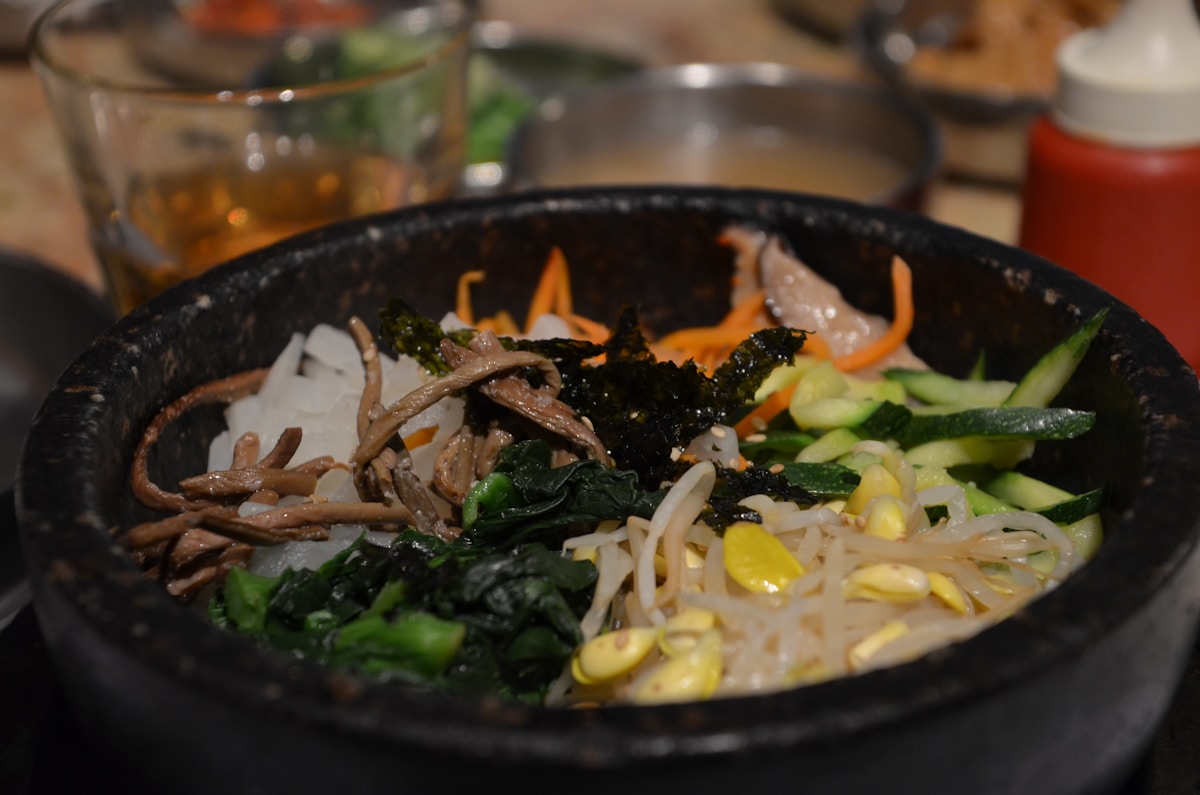
A colorful Korean-inspired bibimbap bowl with quinoa, sautéed vegetables, a fried egg, pickled carrots, and spicy gochujang sauce. Naturally gluten-free.
Bibimbap is one of those dishes that is greater than the sum of its parts. Each component — sautéed vegetables, a runny-yolked egg, spicy sauce, warm grain — is simple on its own, but mixed together in a bowl they create something genuinely exciting. This version swaps the traditional steamed rice for quinoa, which adds a nutty flavor and a protein boost that makes the bowl even more satisfying. The quinoa also holds the gochujang sauce differently than rice does, with each grain absorbing the spicy-sweet sauce from the inside out.
The biggest mistake people make with bibimbap is cooking all the vegetables together. The entire point of the dish is that each component has its own distinct flavor and texture. Spinach should be barely wilted. Carrots should be crisp-tender. Mushrooms should be golden and concentrated. When you cook them all in one pan, they steam together and you lose those individual qualities.
Yes, this means using the same skillet multiple times. But each vegetable only takes 2 to 3 minutes, so the total cooking time is still under 20 minutes. Work in assembly-line fashion: cook, transfer to a plate, add a bit more oil, cook the next one. The slight residual flavors left in the pan between vegetables add depth rather than muddying the individual tastes.
Gochujang is a fermented Korean chili paste that provides the signature flavor of bibimbap. It is spicy, sweet, slightly funky from fermentation, and deeply savory. You can find it in the international aisle of most grocery stores or at any Asian market. There is no real substitute — sriracha and chili flakes approximate the heat but miss the complexity entirely.
The sauce recipe here tempers the gochujang with rice vinegar, sesame oil, and a touch of honey, creating a balanced condiment that is spicy but not overwhelming. Adjust the amount to your taste — start with a tablespoon drizzled over each bowl and add more as you mix. The sauce keeps in the fridge for up to a week, so make a double batch if you plan to eat this more than once (and you will).
Traditional bibimbap uses short-grain white rice, often crisped in a hot stone bowl to create a crunchy bottom layer called nurungji. Quinoa will not replicate that exact experience, but it brings its own advantages. The grains are smaller than rice and create more surface area for the sauce to coat, meaning every bite is well-seasoned. Quinoa also has about twice the protein of white rice and significantly more fiber, making this bowl a more complete meal.
Use warm quinoa rather than cold. Cold quinoa clumps together and does not absorb the sauce as readily. If you are using leftover quinoa from the fridge, warm it in the microwave with a tablespoon of water before assembling the bowls. For tips on getting fluffy quinoa every time, check out our how to cook quinoa guide.
The fried egg is non-negotiable. When you break the runny yolk and mix it into the bowl, it creates a rich, silky sauce that binds everything together. Cook the egg over medium heat — too high and the edges will crisp and brown before the white is fully set. A lid placed over the pan for the last 30 seconds to a minute uses steam to set the top of the white without flipping, keeping the yolk perfectly runny.
For a vegan version, replace the egg with marinated and pan-fried tofu. Cut firm tofu into thick slabs, press out the moisture, and marinate in soy sauce and sesame oil before frying until golden on both sides.
Beef bibimbap: Add 8 ounces of thinly sliced beef (ribeye or sirloin) marinated in soy sauce, sesame oil, garlic, and a pinch of sugar. Sear over high heat for 2 minutes and add as another topping.
Crispy quinoa bottom: Press the quinoa into a hot, oiled skillet and cook without stirring for 3 to 4 minutes until a golden crust forms on the bottom. Scoop into bowls crust-side up for a texture contrast similar to traditional dolsot bibimbap.
Additional vegetables: Radish, cucumber (julienned and lightly salted), or sautéed sweet potato are all traditional additions. Use whatever combination appeals to you — variety is the point.
For more Korean-inspired quinoa cooking, pair this with our quinoa fried rice for a different approach to Asian-style grain bowls.
For more inspiration on using quinoa in global dishes, see our quinoa global cuisines guide which covers Korean, Thai, Indian, and Mediterranean approaches to grain bowls.
Bibimbap is best assembled and eaten immediately. However, you can prep all the components ahead and store them separately in the fridge for up to 3 days. Keep the vegetables, sauce, and cooked quinoa in individual containers. When ready to eat, warm the quinoa and vegetables, fry a fresh egg, and assemble. The gochujang sauce should be made ahead — its flavor improves as it sits.
Make the gochujang sauce by whisking together the gochujang, rice vinegar, sesame oil, and honey in a small bowl. Set aside. The sauce can be made up to a week ahead and stored in the fridge.
Prepare the vegetables in batches using a large skillet. Heat 1 teaspoon of sesame oil over medium-high heat. Add the spinach with a splash of soy sauce and cook for 1 minute until just wilted. Transfer to a plate. In the same skillet, sauté the bean sprouts with a pinch of salt for 2 minutes until slightly softened. Transfer to the plate.
Add another teaspoon of sesame oil to the skillet. Sauté the julienned carrots for 2 to 3 minutes until crisp-tender, season with a splash of soy sauce, and transfer. Repeat with the zucchini. Finally, cook the sliced shiitake mushrooms with garlic for 3 to 4 minutes until golden and tender. Each vegetable is cooked separately so they retain their individual texture and flavor rather than steaming into a uniform mush.
Wipe the skillet, add a teaspoon of sesame oil, and fry the eggs sunny-side up over medium heat. The whites should be set but the yolks should still be runny. Cover the pan with a lid for the last minute to help the whites set on top without overcooking the yolk.
Divide the warm quinoa among four bowls. Arrange each vegetable in a separate section on top of the quinoa, creating a colorful wheel pattern. Place a fried egg in the center of each bowl. Drizzle with the gochujang sauce, sprinkle with sesame seeds, and serve with kimchi on the side. Mix everything together before eating.
Join 1,000+ home cooks who get weekly quinoa recipes and tips.
No spam. Unsubscribe anytime.