You already know quinoa is nutritious. But knowing that and actually swapping it into the recipes you already cook are two different things. The moment you try to replace rice in a stir-fry or pasta in a casserole, questions start piling up. How much quinoa do you use? Will the texture work? Does the cooking time change everything?
This guide answers all of those questions. You will learn the exact ratios, timing adjustments, and technique tweaks for substituting quinoa in place of rice, pasta, couscous, oats, and even breadcrumbs. By the end, you will have enough confidence to look at almost any grain-based recipe and know how to make quinoa work in its place.
Why Substitute With Quinoa in the First Place?
Before diving into the how, it helps to understand the why. There are several compelling reasons to reach for quinoa instead of whatever grain a recipe calls for.
It is a complete protein. Quinoa contains all nine essential amino acids, which is rare among plant foods. Rice, pasta, and couscous all lack adequate lysine, so they need to be paired with other protein sources to provide a complete amino acid profile. Quinoa handles that on its own.
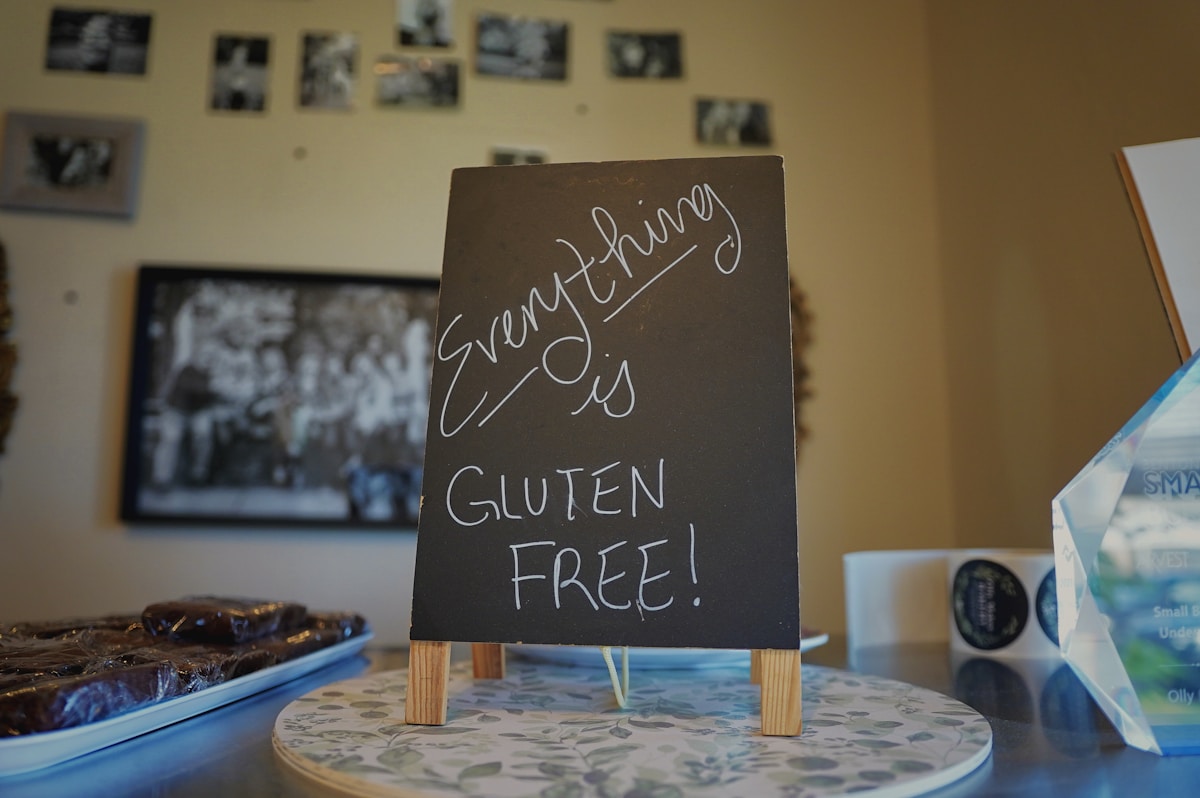
It is naturally gluten-free. If you or someone you cook for avoids gluten, quinoa opens up recipes that would otherwise require specialty products. Traditional pasta and couscous both contain wheat, and while rice is naturally gluten-free, quinoa offers a more nutritious alternative. For a thorough look at quinoa and gluten, including cross-contamination considerations, see our guide on whether quinoa is gluten-free.
It delivers more fiber, iron, and magnesium. Per cup cooked, quinoa provides roughly five times the fiber of white rice, eight times the iron, and six times the magnesium. Those are not small differences. They add up across meals and weeks.
It has a lower glycemic index. Quinoa scores 53 on the glycemic index compared to 73 for white rice and similar numbers for refined pasta. This means a more gradual blood sugar response, which matters for sustained energy and for anyone managing blood sugar levels.
It cooks fast. Quinoa is ready in about 15 minutes, which is faster than brown rice, comparable to white rice, and only slightly longer than couscous. Speed is rarely a barrier.
For a detailed nutritional comparison between quinoa and rice specifically, our quinoa vs rice guide covers every dimension from protein quality to cost.
Substituting Quinoa for White Rice
This is the most straightforward swap you can make, and it is the one most people start with.
The Basic Ratio
Use a 1:1 substitution by volume. If a recipe calls for 1 cup of dry white rice, use 1 cup of dry quinoa instead.
The water ratio is slightly different, though:
- White rice typically uses a 1:2 ratio (1 cup rice to 2 cups water)
- Quinoa uses a 1:1.75 ratio (1 cup quinoa to 1 3/4 cups water)
If you dump quinoa into the same amount of water you would use for rice, you will end up with a mushy result. Reduce the liquid slightly and you will get the fluffy texture you want.
Cooking Time Adjustment
White rice and quinoa have very similar cooking times — both land around 15 minutes with a 5-minute rest period. This makes the swap nearly seamless in terms of timing. No need to adjust the rest of your meal prep schedule.
For a detailed walkthrough of quinoa cooking methods including stovetop, rice cooker, and Instant Pot, see our how to cook quinoa guide.
Texture Differences to Expect
Quinoa has a lighter, fluffier texture than white rice and a subtle pop when you bite into each grain. It does not clump together the way sticky white rice does. This is an advantage in some dishes and a consideration in others.
Where quinoa works perfectly as a rice replacement:
- Grain bowls and burrito bowls
- Stir-fries (our quinoa fried rice recipe is a great example)
- Pilafs and side dishes
- Stuffed peppers and tomatoes
- Soups and stews (stirred in at the end)
- Casseroles
Where you may want to adjust your approach:
- Sushi — Quinoa does not get sticky enough to hold together in rolls without modification. You can make it work by slightly overcooking the quinoa and adding a bit more rice vinegar, but expect a looser result.
- Risotto — Quinoa will not release starch the way Arborio rice does, so a quinoa “risotto” will not be as creamy unless you add a splash of cream or extra broth.
- Rice pudding — The texture will be different, but quinoa pudding is its own delicious thing. Use slightly more liquid than you would for rice pudding.
Yield Comparison
This is important for meal planning. Both quinoa and white rice roughly triple in volume when cooked:
| Dry Amount | Cooked Quinoa | Cooked White Rice |
|---|---|---|
| 1/4 cup | ~3/4 cup | ~3/4 cup |
| 1/2 cup | ~1 1/2 cups | ~1 1/2 cups |
| 1 cup | ~3 cups | ~3 cups |
The yields are nearly identical, which makes portioning simple. For more on getting portions right, check out our quinoa serving sizes guide.
Substituting Quinoa for Brown Rice
Brown rice is the swap that confuses people the most, because both quinoa and brown rice are considered “healthy” options. The substitution ratio is the same — 1:1 by volume — but there are a few important differences.
Water and Timing
Brown rice uses more water and takes significantly longer to cook:
| Factor | Quinoa | Brown Rice |
|---|---|---|
| Water ratio | 1:1.75 | 1:2.5 |
| Cooking time | 15 minutes | 40-50 minutes |
| Rest time | 5 minutes | 5-10 minutes |
| Total time | 20 minutes | 45-60 minutes |
This is actually a major advantage of the substitution. You cut your cooking time by more than half. If a recipe calls for brown rice and you are short on time, quinoa is the perfect stand-in.
When Brown Rice Works Better
There are a few dishes where brown rice has a genuine textural advantage:
- Hearty grain salads meant to sit overnight — Brown rice holds its texture better after hours in a dressing. Quinoa can get a bit soft if it sits in liquid too long.
- Dishes that need a chewy bite — Brown rice has a nuttier, chewier texture that some recipes rely on.
In most other situations, quinoa is a nutritional upgrade with no downside. You can also mix quinoa with brown rice or other grains for variety. Our guide on grains to mix with quinoa covers the best combinations and ratios.
Substituting Quinoa for Pasta
This is where things get more interesting. Pasta and quinoa are fundamentally different foods, so a straight swap requires more thought than replacing rice.
Two Approaches
You have two paths when a pasta recipe catches your eye:
Approach 1: Use quinoa as the base instead of pasta. Cook the quinoa separately, then top it with whatever sauce or ingredients the pasta recipe calls for. This works well for:
- Pasta primavera (vegetables and sauce over quinoa)
- Bolognese or meat sauce dishes
- Pesto dishes
- Creamy garlic or alfredo-style recipes
- Any “pasta bowl” where the noodle is really just a vehicle for the toppings
Approach 2: Use quinoa pasta products. Several brands now make pasta from quinoa flour, either 100% quinoa or blended with other gluten-free flours like corn or rice. These cook like traditional pasta and hold their shape in dishes where you need actual noodle structure — think lasagna, mac and cheese, or pasta salads.
Ratio for Approach 1
When using cooked quinoa in place of cooked pasta, use a 3/4 cup cooked quinoa for every 1 cup of cooked pasta the recipe calls for. Quinoa is denser and more filling than pasta, so you need slightly less to achieve the same level of satisfaction.
A standard 2-ounce serving of dry pasta yields about 1 cup cooked. To replace that, cook roughly 1/3 cup of dry quinoa, which will give you about 1 cup of cooked quinoa — then serve a generous 3/4 cup portion.
Sauce Considerations
Pasta has a smooth surface that sauces cling to. Quinoa is tiny and individual grains do not grip sauce the same way. To compensate:
- Thicken your sauce slightly. A sauce that slides off individual quinoa grains will pool at the bottom of the bowl. A slightly thicker sauce coats better.
- Toss the quinoa into the sauce. Rather than ladling sauce on top, stir the cooked quinoa directly into the saucepan with the sauce. Let it simmer together for a minute or two so the grains absorb some of the flavor.
- Use pesto and oil-based sauces. These coat quinoa grains more effectively than thin tomato sauces. If using a tomato sauce, reduce it a bit longer than you normally would.
Best Pasta Dishes to Convert
Not every pasta dish translates equally well. Here are the ones that work best with quinoa:
- Pasta salads — Cold quinoa salads with Mediterranean or Greek flavors are fantastic. Quinoa holds up well when chilled and dressed.
- Baked pasta dishes — Casseroles, baked ziti-style dishes, and stuffed shells can use quinoa as a base layer. The baking helps everything meld together.
- Soup pastas — Any soup that calls for small pasta shapes (orzo, ditalini, pastina) can use quinoa instead. The size is similar, and quinoa absorbs broth beautifully.
- Stir-fry noodle dishes — Skip the noodles entirely and use quinoa. It works especially well in dishes with lots of vegetables and a flavorful sauce.
Pasta Dishes That Need Actual Noodles
Some dishes fundamentally require noodle structure. For these, buy quinoa pasta rather than substituting loose quinoa grains:
- Spaghetti and meatballs (you need something to twirl)
- Lasagna (you need flat sheets)
- Fettuccine alfredo (the wide noodles are part of the experience)
- Mac and cheese (elbow shape matters for the cheese pockets)
Quinoa pasta cooks slightly faster than wheat pasta — usually 1-2 minutes less — and can become mushy if overcooked. Test a piece a minute or two before the package suggests.
Substituting Quinoa for Couscous
This might be the easiest substitution on this entire list. Quinoa and couscous are remarkably similar in size, shape, and the role they play on a plate.
The Ratio
Use a 1:1 substitution. One cup of dry couscous replaced with one cup of dry quinoa. The yield is nearly identical and the grain size is close enough that you will not notice much difference visually.
Key Differences
Despite looking similar on a plate, quinoa and couscous are very different foods:
| Factor | Quinoa | Couscous |
|---|---|---|
| What it is | A seed (pseudocereal) | Tiny pasta made from wheat |
| Gluten | Naturally gluten-free | Contains gluten |
| Protein per cup cooked | 8.1g (complete) | 6g (incomplete) |
| Fiber per cup cooked | 5.2g | 2.2g |
| Cooking time | 15 minutes | 5 minutes |
| Texture | Slightly poppier, fluffier | Softer, more uniform |
The only real drawback is cooking time. Couscous is ready in about 5 minutes — you just pour boiling water over it and let it sit. Quinoa takes 15 minutes on the stove. If speed is everything, couscous wins that one battle.
Texture Adjustment
Couscous has a softer, more uniform texture than quinoa. If you want your quinoa to feel more couscous-like:
- Use a 1:2 water ratio instead of the standard 1:1.75. The extra liquid will make the quinoa slightly softer.
- Let it steam for 10 minutes after cooking with the lid on and heat off.
- Fluff aggressively with a fork to separate any clumps and create a lighter texture.
Best Dishes for This Swap
Quinoa excels in every dish where you would normally use couscous:
- Tabbouleh — Quinoa tabbouleh has become a classic in its own right. The quinoa adds more protein and a pleasant texture. Try our quinoa tabbouleh recipe for a version that has become one of our most popular dishes.
- Moroccan-style tagines — Served alongside or stirred into stews, quinoa soaks up flavors just as well as couscous.
- Stuffed vegetables — Peppers, zucchini, and tomatoes stuffed with quinoa instead of couscous get a protein boost without changing the dish’s character.
- Cold grain salads — Any couscous salad recipe translates directly to quinoa.
- Side dishes with roasted vegetables — Toss cooked quinoa with roasted squash, chickpeas, dried cranberries, and a lemon vinaigrette for a side dish that outperforms any couscous version nutritionally.
Israeli couscous (also called pearl couscous) is larger than regular couscous and has a chewier texture. For that substitution, quinoa still works at a 1:1 ratio, but you may want to slightly undercook the quinoa to maintain a similar bite.
Substituting Quinoa for Oats
Quinoa for breakfast? Absolutely. If you eat oatmeal regularly, quinoa porridge is a swap worth trying — especially if you are looking for more protein in your morning routine.
The Ratio
Use 1 cup dry quinoa in place of 1 cup dry oats, but increase the liquid. Oats typically use a 1:2 ratio (1 cup oats to 2 cups water or milk). For quinoa porridge, use a 1:2.5 ratio to get a creamier, more porridge-like consistency.
How to Make It Work
The technique is slightly different from standard quinoa cooking:
- Rinse the quinoa well.
- Combine with liquid (milk, water, or a mix) in a saucepan.
- Bring to a boil, then reduce to a low simmer.
- Cook for 20 minutes (longer than usual) stirring occasionally, until the quinoa has absorbed most of the liquid and turned creamy.
- Stir in your toppings — honey, fruit, nuts, cinnamon, maple syrup.
The result is a warm, creamy breakfast bowl with significantly more protein than oatmeal. Check out our quinoa oatmeal recipe for a fully developed version with topping suggestions.
Where This Swap Works Best
- Hot breakfast porridge — The most obvious application. Quinoa porridge is creamier and heartier than you might expect.
- Overnight prep — Just like overnight oats, you can soak quinoa in milk overnight in the fridge. It will not soften as much as oats do, so give it a quick warm-up in the morning.
- Baked oatmeal — Replace the oats with cooked quinoa in baked oatmeal recipes. You may need to add an extra egg to help with binding since quinoa does not have the same sticky quality as oats.
- Granola — This is where quinoa flour comes in handy. You can use it to replace a portion of the oats in granola recipes, or add whole cooked quinoa to granola for extra crunch after baking.
Where Oats Still Have the Edge
- Texture in cookies and bars — Rolled oats provide a specific chew and structure that quinoa cannot replicate. You can add quinoa flakes to cookies, but they will behave differently.
- Thickening smoothies — Oats blend into smoothies and thicken them naturally. Quinoa does not dissolve the same way.
- Instant convenience — You can microwave instant oats in 90 seconds. Quinoa always needs at least 15 minutes of actual cooking (or overnight soaking).
Substituting Quinoa for Breadcrumbs
This is the substitution people do not think of, but once you try it, you will wonder why it took so long. Cooked quinoa makes an excellent binder and coating in recipes that traditionally call for breadcrumbs.
As a Binder (Meatballs, Meatloaf, Patties)
Replace breadcrumbs with cooked quinoa at a 1:1 ratio by volume. If a recipe calls for 1/2 cup of breadcrumbs, use 1/2 cup of cooked quinoa.
Quinoa works as a binder because it:
- Absorbs moisture from meat and other ingredients, helping everything hold together
- Adds structure without the heaviness of bread
- Contributes protein instead of empty carbohydrates
- Keeps things gluten-free without needing specialty breadcrumb products
This is one of the reasons our quinoa turkey meatballs and quinoa patties hold together so well. The quinoa does double duty as both a binder and a nutritional boost.
As a Coating (Chicken, Fish, Vegetables)
For crispy coatings, you need to use quinoa differently:
- Cook the quinoa and spread it on a baking sheet. Let it cool and dry out slightly.
- Season it with whatever spices the recipe calls for.
- Dip your protein or vegetable in beaten egg, then press the cooked quinoa onto the surface.
- Bake at 400 degrees F until the coating is crispy, usually 20-25 minutes.
The result is a crunchier, more interesting coating than regular breadcrumbs provide. The individual quinoa grains crisp up beautifully in the oven.
Alternatively, you can use quinoa flakes (available at most health food stores) as a direct 1:1 substitute for breadcrumbs in any coating application. They work almost identically to panko breadcrumbs.
Best Dishes for This Swap
- Meatballs (any protein)
- Veggie burgers and patties
- Meatloaf
- Breaded chicken tenders
- Fish fillets with a crispy crust
- Stuffed mushrooms (quinoa replaces the breadcrumb filling)
- Casserole toppings
Master Substitution Reference Table
Here is every swap covered in this guide in one place:
| Replacing | Quinoa Ratio (Dry) | Water Ratio | Cook Time | Key Adjustment |
|---|---|---|---|---|
| White rice | 1:1 | 1:1.75 | 15 min + 5 rest | Reduce liquid slightly vs. rice |
| Brown rice | 1:1 | 1:1.75 | 15 min + 5 rest | Much faster cook time |
| Pasta (as base) | 3/4 cup cooked quinoa per 1 cup cooked pasta | 1:1.75 | 15 min + 5 rest | Thicken sauces, toss quinoa in |
| Couscous | 1:1 | 1:1.75 (or 1:2 for softer) | 15 min + 5 rest | Slightly longer cook time |
| Oats (porridge) | 1:1 | 1:2.5 | 20 min | Cook longer, stir more |
| Breadcrumbs (binder) | 1:1 cooked | N/A (pre-cooked) | N/A | Use already-cooked quinoa |
| Breadcrumbs (coating) | 1:1 cooked or flakes | N/A | Bake 20-25 min at 400F | Dry out cooked quinoa first |
Common Mistakes When Substituting Quinoa
Even experienced cooks make these errors when swapping quinoa into recipes for the first time. Avoid them and your results will be dramatically better.
Mistake 1: Not Rinsing the Quinoa
Quinoa has a natural coating called saponin that tastes bitter and soapy. Most store-bought quinoa is pre-rinsed, but not all of it. If you skip rinsing and the quinoa has residual saponin, it will add an off-putting flavor to whatever dish you are making. A quick rinse under cold water in a fine-mesh strainer takes 30 seconds and eliminates the risk entirely.
Mistake 2: Using the Same Amount of Water as Rice
This is the most common technical error. White rice uses a 1:2 water ratio. Quinoa uses 1:1.75. That quarter cup of extra water might seem minor, but it is the difference between fluffy quinoa and waterlogged quinoa. Measure your liquid.
Mistake 3: Expecting the Exact Same Texture
Quinoa will never taste or feel exactly like rice, pasta, or couscous. It has its own character — a light pop, a mild nutty flavor, a fluffier feel. If you go in expecting a perfect replica, you will be disappointed. If you go in expecting something different but equally good, you will be pleasantly surprised.
Mistake 4: Not Adjusting Sauce Consistency
When you replace pasta with quinoa, thin sauces run right through the grains and pool at the bottom. This leaves you eating dry quinoa on top and a puddle of sauce below. Always thicken sauces slightly or stir the quinoa directly into the sauce.
Mistake 5: Overcooking
Quinoa goes from perfectly fluffy to mushy in a narrow window. Set a timer. Check it at 12 minutes. Most quinoa is done at 15 minutes, and every minute beyond that pushes it closer to porridge territory (which is fine if porridge is your goal, but not if you want distinct grains).
Mistake 6: Forgetting to Fluff
After quinoa rests, run a fork through it to separate the grains. This step takes five seconds and makes a noticeable difference in texture. Skipping it leaves you with clumpy quinoa that does not look or feel like a proper rice or couscous substitute.
Mistake 7: Substituting in Dishes That Need Starch
Some recipes rely on the starch that rice or pasta releases during cooking. Risotto, congee, and certain thickened soups need that starchy quality to achieve their signature texture. Quinoa does not release starch the same way. You can still make these dishes with quinoa, but you will need to add a thickener (a slurry of cornstarch or a splash of cream) to compensate.
Tips for Successful Substitution Every Time
Beyond avoiding mistakes, these positive habits will make your quinoa substitutions consistently better.
Toast the quinoa before cooking. Dry-toast the rinsed, drained quinoa in your saucepan for 2-3 minutes before adding liquid. This deepens the nutty flavor and helps the grains stay more distinct after cooking. It is a small step that makes a real difference, especially in dishes where quinoa replaces a more flavorful grain like brown rice.
Season the cooking liquid. Quinoa absorbs flavor from whatever liquid it cooks in. Use broth instead of water, add a bay leaf, toss in a smashed garlic clove, or stir in a pinch of cumin. This is the single easiest way to make quinoa taste less “plain” and more like it belongs in the dish.
Let it rest with the lid on. After the cooking time is up, turn off the heat and let the quinoa sit covered for 5 minutes. This allows residual steam to finish the cooking process and gives you a more even texture throughout.
Start with dishes you already love. Do not try to substitute quinoa into an unfamiliar recipe. Take a dish you have made dozens of times — your go-to stir-fry, your standard grain bowl, your weeknight soup — and swap in quinoa. You will know immediately whether the substitution is working because you know exactly what the original version tastes and feels like.
Keep cooked quinoa in the fridge. Cook a big batch on Sunday and store it in the refrigerator for up to five days. Having cooked quinoa ready to go eliminates the friction of substitution. When you would normally reach for instant rice or boil pasta, you can grab pre-cooked quinoa and have dinner ready faster.
Frequently Asked Questions
Can I substitute quinoa in a recipe without changing anything else?
In most cases, yes — especially for rice and couscous swaps. Adjust the water ratio as outlined above, and the rest of the recipe can stay the same. For pasta dishes, you may need to thicken the sauce slightly.
Does quinoa taste the same as rice?
No. Quinoa has a milder, slightly nutty flavor with a lighter texture. Most people who try it find it pleasant, and many come to prefer it. But it is its own thing, not a flavor clone of rice.
Is quinoa more expensive than rice or pasta?
Generally, yes. Quinoa typically costs $3-5 per pound compared to $1-2 for rice and $1-3 for pasta. However, quinoa’s higher protein and nutrient density means you may need fewer supplementary ingredients (less need for additional protein sources), which can offset the per-serving cost difference.
Can I use any color of quinoa for substitutions?
Yes. White, red, and black quinoa all work for substitutions. White quinoa is the mildest and fluffiest, making it the closest to white rice. Red quinoa holds its shape better after cooking, which is ideal for salads and cold dishes. Black quinoa has the strongest flavor and firmest texture. Any of them will work in the substitutions described in this guide.
Will my family notice the switch?
Probably, at least at first. Quinoa looks and feels different from rice, pasta, and couscous. But in dishes with bold sauces, lots of vegetables, and strong seasonings, the base grain is less prominent. Start with flavorful dishes where quinoa plays a supporting role rather than the starring one, and the transition will be smoother.
Putting It All Together
Substituting quinoa for other grains and starches is not complicated once you know the ratios and the handful of adjustments each swap requires. The short version: use a 1:1 dry ratio for rice and couscous, slightly less cooked quinoa for pasta, more liquid for porridge, and cooked quinoa as a direct breadcrumb replacement.
The nutritional upgrade is real. More protein, more fiber, more minerals, a lower glycemic response, and a naturally gluten-free option that works across breakfast, lunch, dinner, and snacks. You do not have to replace every grain in your kitchen with quinoa — even swapping it in a few times a week adds up.
Start with the substitution that fits your cooking habits best, master it, and then expand from there. Before long, reaching for quinoa will feel just as natural as reaching for rice.