You cooked a big pot of quinoa with great intentions, shoved it into the fridge, and three days later you are staring at it wondering whether it is still good. Or maybe you bought a bag of dry quinoa six months ago and it has been sitting in your pantry ever since, and you are not sure if it is past its prime.
Either way, the question is the same: how long does quinoa actually last, and what is the best way to store it?
The good news is that quinoa — both cooked and uncooked — stores remarkably well when you handle it correctly. Dry quinoa can last for years in the right conditions. Cooked quinoa stays fresh in the fridge for nearly a week and freezes beautifully for months. The key is knowing which storage method to use, what containers work best, and how to spot the signs that your quinoa has gone bad.
This guide covers everything you need to know about storing quinoa at every stage, from the unopened bag in your pantry to the leftover batch in your freezer. If you are new to quinoa entirely, our guide to what quinoa is is a good starting point before diving into storage specifics.
How to Store Uncooked Quinoa
Uncooked quinoa is a dry grain (technically a seed), and like most dry pantry staples, it has a long shelf life when stored properly. The enemies of dry quinoa are moisture, heat, light, and pests. Keep those four things away from your quinoa, and it will last a very long time.
Pantry Storage
An unopened bag of quinoa stored in a cool, dark pantry will easily last 2 to 3 years past its purchase date. Most commercial quinoa comes with a “best by” date printed on the package, but that date is a quality indicator, not a safety deadline. Dry quinoa stored in good conditions is often perfectly fine well beyond that printed date.
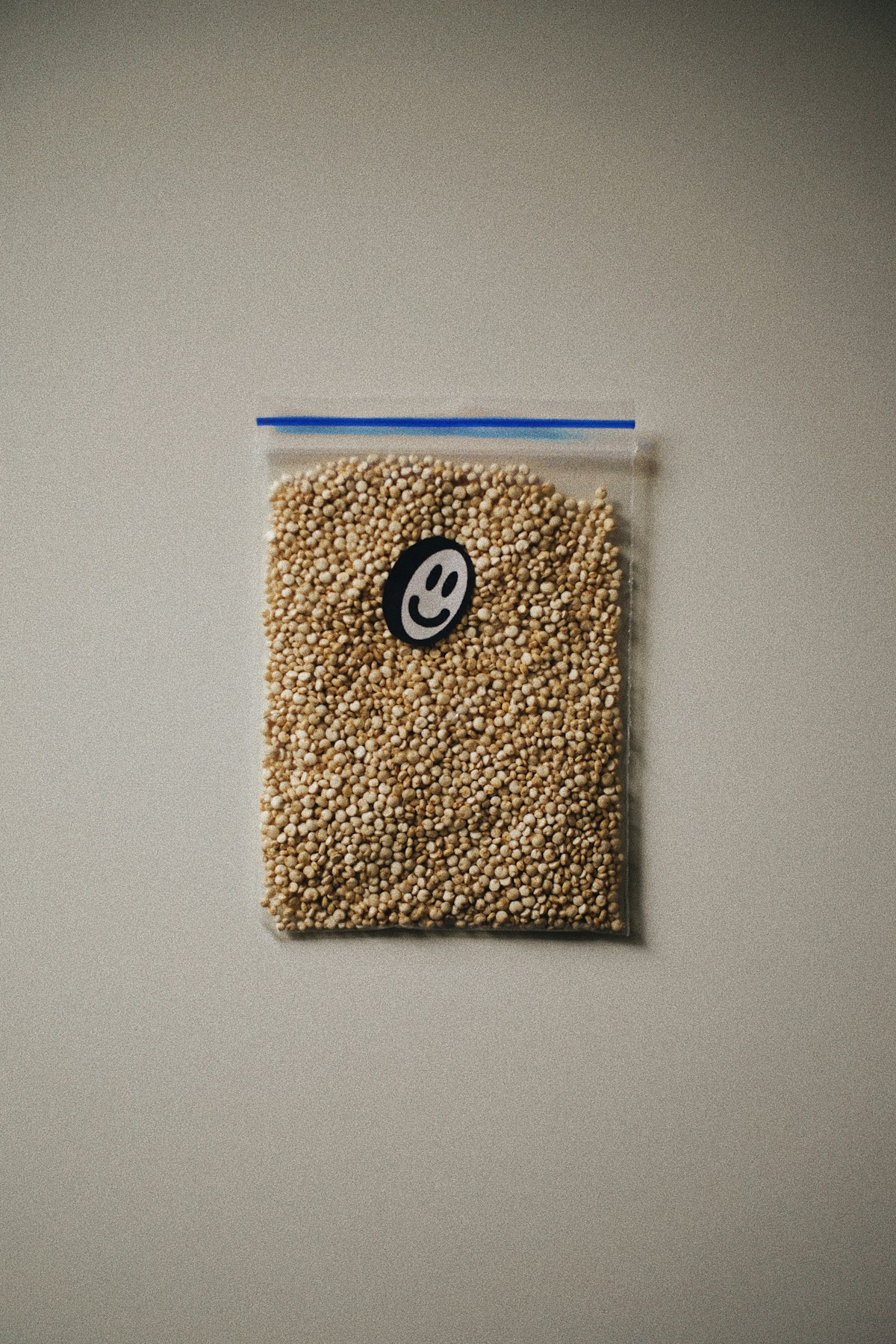
Once you open the bag, transfer the quinoa to an airtight container. The original bag, once opened, lets in air and moisture and is difficult to reseal tightly. A glass jar with a screw-on lid, a sturdy plastic container with a snap-lock seal, or even a heavy-duty resealable bag with the air pressed out will all work.
Best practices for pantry storage:
- Store in a cool, dry spot away from the stove, oven, or any heat source
- Keep the container out of direct sunlight — a closed cabinet or pantry shelf is ideal
- Make sure the container is completely dry before adding quinoa
- If you buy quinoa in bulk, consider dividing it into smaller containers so you are not repeatedly opening and closing a large one
- Label the container with the date you opened it
Opened dry quinoa stored in an airtight container in the pantry will stay fresh for 6 to 12 months without any noticeable decline in quality. After that, the quinoa is still safe to eat, but the flavor may become slightly flat or stale.
Refrigerator Storage for Uncooked Quinoa
You generally do not need to refrigerate uncooked quinoa. The pantry is the standard storage spot and works perfectly well. However, if you live in a very hot or humid climate where your kitchen regularly exceeds 80 degrees Fahrenheit, refrigerating dry quinoa can extend its shelf life. The cold, stable temperature slows down any degradation.
Store it in the same kind of airtight container you would use for pantry storage. Dry quinoa in the fridge can last 1 to 2 years after opening without any quality issues.
Freezer Storage for Uncooked Quinoa
Freezing uncooked quinoa is the longest-lasting storage option. Place the quinoa in a freezer-safe airtight container or heavy-duty freezer bag, press out as much air as possible, and seal it tightly. Frozen dry quinoa can last 3 years or more and will taste just as good as the day you bought it.
This method is particularly useful if you buy quinoa in bulk — say a 5-pound bag from a warehouse store. Divide it into portions you will use within a few months, keep one in the pantry, and freeze the rest.
When you are ready to use frozen dry quinoa, there is no need to thaw it. Simply measure out what you need and cook it directly. The cooking time and water ratio stay exactly the same. For a full walkthrough of the cooking process, check out our complete guide to cooking quinoa.
How to Store Cooked Quinoa
Cooked quinoa is where storage gets a bit more time-sensitive. Once you add water and heat, quinoa becomes a perishable food that needs proper refrigeration or freezing to stay safe.
Refrigerator Storage
Cooked quinoa lasts 5 to 7 days in the refrigerator when stored correctly. The most important factor is getting it into the fridge quickly — do not leave cooked quinoa sitting on the counter for more than 2 hours. Bacteria grow rapidly in the temperature range between 40 and 140 degrees Fahrenheit, so the faster you cool and refrigerate your quinoa, the longer it will stay fresh.
How to cool cooked quinoa quickly:
- Spread the hot quinoa in a thin, even layer on a large rimmed sheet pan
- Let it cool at room temperature for 15 to 20 minutes — the thin layer releases heat fast
- Once it is no longer steaming and feels close to room temperature, transfer it to storage containers
- Place the containers in the fridge immediately
Do not put a large, hot container of quinoa directly into the fridge. The residual heat raises the temperature inside your refrigerator, which can affect other foods. The sheet-pan cooling method solves this.
Refrigerator storage tips:
- Use airtight containers — glass containers with tight-fitting lids are the best option
- Store quinoa plain and unseasoned whenever possible. Wet ingredients like dressings, sauces, or citrus juice introduce moisture and acidity that shorten shelf life. Add those when you are ready to eat.
- Leave a small amount of headspace in the container — quinoa can expand slightly
- Store cooked quinoa on a middle or upper shelf in the fridge, not in the door where temperatures fluctuate
If you are batch cooking quinoa for the week, plan to use the refrigerated portions within the first 5 days and freeze anything you want to save for later.
Freezer Storage
Cooked quinoa freezes exceptionally well, and this is honestly one of the best reasons to cook it in large batches. Frozen cooked quinoa lasts 2 to 3 months at peak quality and remains safe to eat well beyond that, though the texture may decline slightly after the 3-month mark.
The flat-bag method (recommended):
- Scoop cooked, cooled quinoa into quart-sized freezer bags
- Press out as much air as possible before sealing — air causes freezer burn
- Flatten each bag to about half an inch thick
- Lay the bags flat in the freezer until frozen solid, then stack them upright like files in a drawer
The flat-bag method is the gold standard for frozen quinoa. Thin, flat portions thaw in just a few minutes under warm running water, and they stack neatly so you are not dealing with bulky containers hogging freezer space.
Alternative freezer methods:
- Silicone muffin trays: Scoop quinoa into muffin cups, freeze until solid, then pop out the pucks and transfer them to a freezer bag. Each puck is roughly half a cup, which makes portioning easy.
- Rigid containers: Use freezer-safe glass or plastic containers with tight lids. Leave about half an inch of headspace since quinoa can expand slightly when frozen. These take longer to thaw than flat bags but are more reusable and environmentally friendly.
- Ice cube trays: For small portions — maybe a few tablespoons to add to soups or smoothies — freeze quinoa in ice cube trays, then transfer the cubes to a freezer bag.
No matter which method you choose, label every container or bag with the date and the amount. You will thank yourself later when you are digging through the freezer trying to figure out what you froze and when.
For full freezer meal ideas that build on stored quinoa, take a look at our freezer-friendly quinoa meals guide.
Quick-Reference Storage Times
Here is a summary of how long quinoa lasts under each storage condition:
| Quinoa Type | Storage Method | How Long It Lasts |
|---|---|---|
| Uncooked, unopened | Pantry | 2-3 years past purchase date |
| Uncooked, opened | Pantry (airtight container) | 6-12 months |
| Uncooked, opened | Refrigerator | 1-2 years |
| Uncooked | Freezer | 3+ years |
| Cooked | Counter (room temp) | 2 hours maximum |
| Cooked | Refrigerator | 5-7 days |
| Cooked | Freezer | 2-3 months (best quality) |
Keep in mind that these are guidelines for best quality, not hard safety cutoffs. Quinoa stored longer than these times is not necessarily unsafe — it may just lose some texture, flavor, or nutritional value. When in doubt, check for the signs of spoilage covered later in this guide.
How to Thaw and Reheat Quinoa
Getting cooked quinoa out of the freezer and back to a state that tastes freshly made is straightforward. You have several options depending on how much time you have and what you plan to do with the quinoa.
Thawing Methods
Warm water thaw (fastest — 5 to 10 minutes): Place the sealed freezer bag under warm running water or submerge it in a bowl of warm water. The flat-bag method pays off here — a half-inch-thick bag thaws in about 5 minutes. Thicker portions or rigid containers take longer, usually 10 to 15 minutes.
Refrigerator thaw (slowest — overnight): Move the frozen quinoa from the freezer to the fridge the night before you plan to use it. By morning, it will be completely thawed and ready to go. This is the best method if you are planning ahead for meal prep.
Microwave thaw (quick — 2 to 3 minutes): Transfer frozen quinoa to a microwave-safe bowl. Microwave on the defrost setting or at 50 percent power in 1-minute increments, breaking up clumps with a fork between rounds. Add a tablespoon of water to the bowl before microwaving — this creates steam that helps the quinoa rehydrate evenly.
Skip the thaw entirely: If you are adding quinoa to a soup, stew, chili, or stir-fry, you can toss the frozen quinoa directly into the pot. It will thaw and heat through in a couple of minutes as it cooks with the other ingredients. This works great for dishes like quinoa fried rice where the quinoa gets cooked again anyway.
Reheating Methods
Once thawed (or if you are reheating leftover quinoa from the fridge), here are the best ways to bring it back to life.
Microwave reheating:
- Place quinoa in a microwave-safe bowl
- Add 1 to 2 tablespoons of water per cup of quinoa — this is the most important step, as it prevents the quinoa from drying out
- Cover the bowl loosely with a damp paper towel or microwave-safe lid
- Heat on high for 1 to 2 minutes, stirring halfway through
- Fluff with a fork and check the temperature — reheat in 30-second increments if needed
Stovetop reheating:
- Add quinoa to a small saucepan with a splash of water or broth (about 2 tablespoons per cup)
- Heat over medium-low, stirring occasionally
- Cover the pan and let it warm through for 3 to 5 minutes
- Fluff with a fork before serving
The stovetop method gives you more control and tends to produce a fluffier result than the microwave. It is also the better choice for larger quantities.
Oven reheating (for large batches):
- Preheat your oven to 350 degrees Fahrenheit
- Spread quinoa in an even layer on a rimmed sheet pan
- Sprinkle 2 to 3 tablespoons of water over the quinoa
- Cover tightly with aluminum foil
- Heat for 15 to 20 minutes, then remove the foil, fluff with a fork, and serve
Cold — no reheating needed: Plenty of quinoa dishes are meant to be eaten cold or at room temperature. Grain salads, quinoa bowls with raw vegetables, and wraps all work perfectly with cold quinoa straight from the fridge. No reheating required.
Tips for Better Reheated Quinoa
- Always add a little liquid. This is the number one rule. Quinoa loses moisture in the fridge and freezer, and without added water or broth, reheated quinoa tastes dry and grainy.
- Do not overcook it. Reheating too long or at too high a temperature turns quinoa mushy. Use gentle heat and check frequently.
- Fluff with a fork, not a spoon. A fork separates the grains without mashing them together. A spoon tends to compress quinoa into a dense clump.
- Season after reheating. If you stored your quinoa plain (as recommended), add dressings, sauces, herbs, and spices after it is warmed up. This gives you the freshest flavor.
Signs of Spoilage: When to Throw Quinoa Away
Quinoa rarely goes bad in dramatic, obvious ways. Spoilage tends to be subtle, so it helps to know what to look for.
Cooked Quinoa Spoilage Signs
Off smell: Fresh cooked quinoa has a mild, slightly nutty aroma. If it smells sour, fermented, or just “off” in a way that is hard to describe, throw it away. Trust your nose — it is the most reliable test.
Visible mold: Any fuzzy spots, discoloration (green, white, blue, or black patches), or slimy film on the surface means the quinoa has gone bad. Do not scrape off the mold and eat the rest. If mold is visible on any part, the entire container should be discarded.
Slimy or sticky texture: Fresh cooked quinoa is fluffy and slightly springy. If it has become slimy, sticky, or unusually wet without any added liquid, bacteria have likely started breaking it down.
Hard, dried-out texture: While this is not necessarily a safety issue, quinoa that has dried out into hard, crunchy clumps has passed its prime. It will not taste good even if you try to rehydrate it.
Unusual taste: If the quinoa looks and smells fine but tastes sour, bitter, or just wrong, spit it out and discard the rest. Sometimes spoilage is not visible or detectable by smell alone.
Uncooked Quinoa Spoilage Signs
Dry quinoa is much more shelf-stable and rarely goes bad in a dangerous way, but quality can decline over time.
Pantry bugs or insects: If you see any small bugs, larvae, or webbing in your quinoa container, discard the entire contents. Pantry moths and weevils are the most common culprits. Storing quinoa in a tightly sealed hard container (not a bag) prevents this.
Musty or rancid smell: Dry quinoa should smell like almost nothing — maybe a faint earthy scent. If it smells musty, rancid, or like old oil, the natural oils in the quinoa have oxidized. This happens when quinoa is exposed to heat or light for too long.
Moisture or clumping: If dry quinoa has absorbed moisture and the grains are sticking together or feel damp, do not cook with it. Moisture in dry goods is a breeding ground for mold and bacteria, even if you cannot see it yet.
Discoloration: Fresh quinoa has a consistent color — white, red, or black depending on the variety. If you notice dark spots, unusual discoloration, or a dull, faded appearance, the quality has likely declined.
When in Doubt, Throw It Out
This is the simplest and most important rule of food safety. Quinoa is inexpensive. A fresh bag costs a few dollars. No leftover is worth a bout of food poisoning. If anything about the look, smell, or taste seems wrong, discard it and start fresh.
Choosing the Right Storage Containers
The container you use matters more than you might think. A poor seal lets in air and moisture, which accelerates spoilage. Here is a breakdown of the best options.
For Uncooked Quinoa
- Glass jars with screw-on lids (Mason jars, Weck jars): Excellent seal, easy to see contents, do not absorb odors. The best all-around option for pantry storage.
- Hard plastic containers with snap-lock lids (OXO, Rubbermaid): Good seal, lightweight, shatter-proof. Make sure the lid has a gasket or silicone ring for an airtight fit.
- Heavy-duty resealable bags: Acceptable for short-term storage or for portioning bulk quinoa before freezing. Not ideal for long-term pantry storage since bags can develop small holes over time.
Avoid storing dry quinoa in the original bag once opened, in containers with loose-fitting lids, or in anything that is not truly airtight.
For Cooked Quinoa (Refrigerator)
- Glass containers with snap-on lids (Pyrex, Anchor Hocking): The top choice for refrigerator storage. Glass does not absorb odors or stain, and the tight lids keep air out. You can also reheat directly in the container (just remove the lid first).
- BPA-free plastic containers with locking lids: A lighter, more affordable option. Look for containers with four-sided locking mechanisms rather than simple press-on lids.
- Deli containers: Those round plastic takeout containers work in a pinch for short-term storage (a day or two) but do not seal as well as purpose-built storage containers.
For Cooked Quinoa (Freezer)
- Quart-sized freezer bags (Ziploc Freezer or similar): The best option for the flat-bag freezing method. Regular sandwich bags are too thin and let in air. Use bags specifically labeled for freezer use.
- Silicone freezer bags: A reusable, more sustainable alternative to disposable freezer bags. They seal well and can be washed and reused hundreds of times.
- Freezer-safe glass containers: Good for people who want to avoid plastic entirely. Just remember to leave headspace for expansion, and note that glass takes longer to thaw than bags.
Portioning Tips for Meal Prep
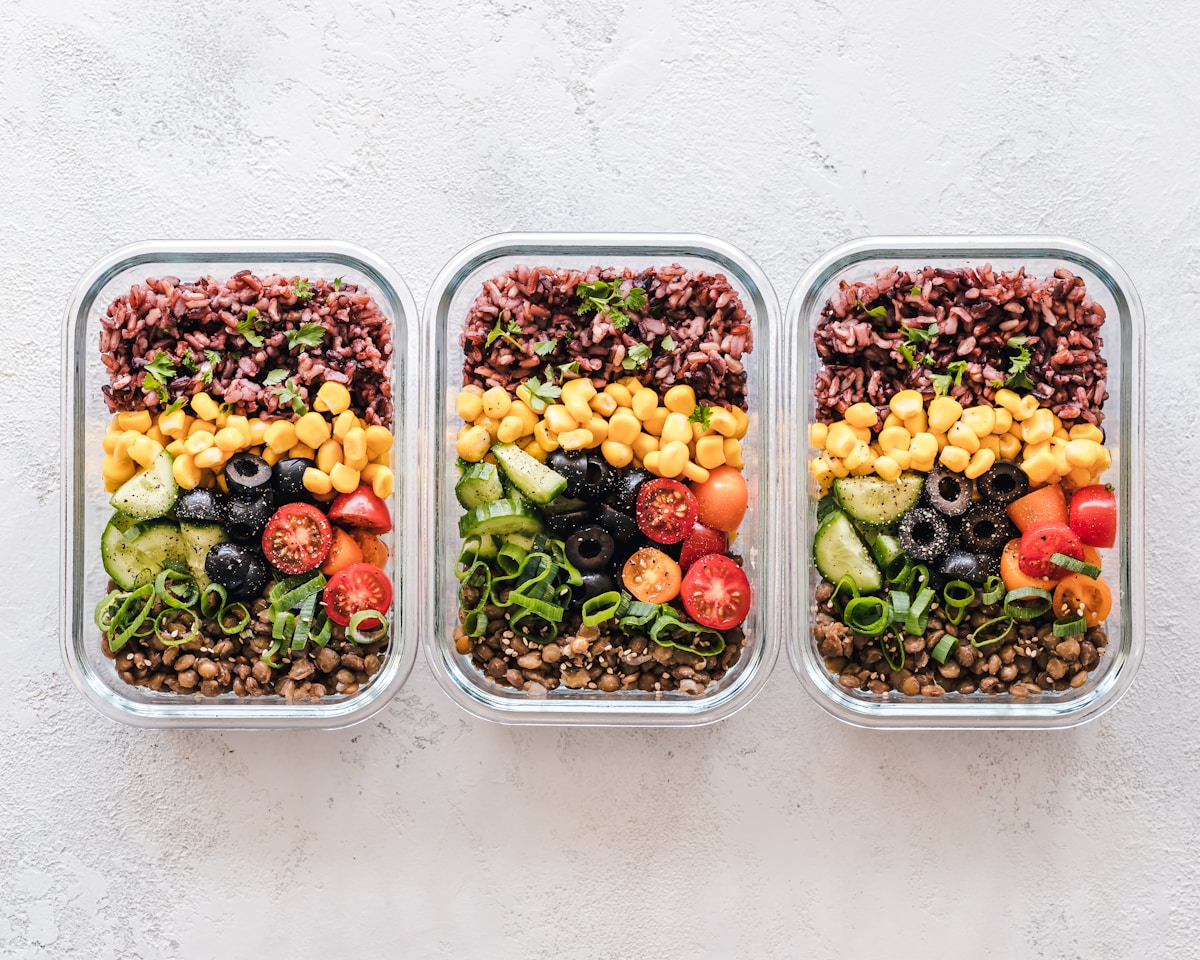
Storing quinoa in the right portions saves you time during the week and reduces waste. If you grab a container from the fridge and it has exactly the amount you need, you are far more likely to actually use it.
How Much Quinoa Per Serving?
A standard serving of cooked quinoa is about 3/4 cup to 1 cup when it is the base of a bowl or main component of a dish. As a side dish, 1/2 cup is typically enough. For a deeper look at sizing your portions, our quinoa serving sizes guide breaks this down in detail.
Portioning Strategies
Individual meal portions: Divide your batch into containers holding exactly one serving each. This is the grab-and-go approach — pull one container from the fridge, reheat, add toppings, and eat. It is the fastest option on a busy weeknight.
Two-serving containers: If you cook for two or like to have a generous portion, store quinoa in containers with two servings each. This reduces the total number of containers in your fridge.
Bulk storage with measuring: Store all your cooked quinoa in one or two large containers and scoop out what you need each day. This uses less container space but requires you to measure portions each time.
Freezer portioning: When freezing, portion by the cup. Most recipes call for 1 to 2 cups of cooked quinoa, so bags or containers in those increments make it easy to grab the right amount. Write the portion size on the label along with the date.
If you are setting up a full meal prep system around quinoa, our quinoa meal prep guide walks you through the entire process from planning to storage. Pair it with the meal prep checklist for a printable planning tool.
Common Storage Mistakes to Avoid
Even people who cook quinoa regularly make some of these mistakes. Each one leads to quinoa that spoils faster, tastes worse, or goes to waste.
Putting hot quinoa directly in the fridge. Hot food raises the internal temperature of your refrigerator, which can push other foods into the danger zone. Always cool quinoa on a sheet pan first, then transfer to containers.
Leaving cooked quinoa on the counter too long. The 2-hour rule applies to quinoa just like any other cooked food. If it has been sitting out for more than 2 hours (or more than 1 hour in temperatures above 90 degrees Fahrenheit), discard it.
Storing quinoa in containers that are not airtight. A loose lid or cracked container lets in air, moisture, and fridge odors. Quinoa absorbs smells easily, so a container that is not sealed will leave your quinoa tasting like whatever else is in the fridge.
Adding dressing or sauce before storing. Wet ingredients introduce moisture and acidity that cause cooked quinoa to break down faster. Store it plain and add sauces when you are ready to eat.
Not labeling containers. You will forget when you cooked it. You will forget what is in each bag. Label everything with the date and contents. A roll of masking tape and a marker next to your containers makes this take five seconds.
Freezing quinoa in huge blocks. A giant container of frozen quinoa takes forever to thaw and forces you to defrost more than you need. Use the flat-bag method or individual portions so you can thaw just what you need.
Refreezing thawed quinoa. Once you have thawed frozen quinoa, use it within a day or two. Do not refreeze it. Refreezing causes ice crystals to form inside the grains, which damages the texture and results in mushy, watery quinoa when you reheat it again.
Storing Quinoa-Based Dishes
The storage times in this guide apply to plain cooked quinoa. Once you mix quinoa into a complete dish — a salad, a casserole, a stir-fry — the shelf life depends on the most perishable ingredient in the dish.
General guidelines for quinoa dishes:
- Quinoa salads with raw vegetables: 3 to 4 days in the fridge. The vegetables release moisture over time, which makes the salad watery after a few days. Store the dressing separately if possible.
- Quinoa casseroles and baked dishes: 4 to 5 days in the fridge, or freeze for up to 2 months.
- Quinoa soups and stews: 4 to 5 days in the fridge, or freeze for up to 3 months. Note that quinoa absorbs liquid as it sits, so the soup may thicken. Add extra broth when reheating.
- Quinoa stir-fries: 3 to 4 days in the fridge. These reheat well in a skillet over medium-high heat.
- Quinoa with dairy (cheese, cream sauces): 3 to 4 days in the fridge. Dairy-based dishes do not freeze as well — the sauce can separate and become grainy.
- Quinoa with meat or seafood: Follow the storage times for the protein. Cooked chicken or ground turkey dishes keep 3 to 4 days; seafood-based quinoa dishes should be eaten within 2 to 3 days.
The safest approach when you are meal prepping is to store components separately and combine them at mealtime. Keep the cooked quinoa, proteins, vegetables, and dressings in their own containers. This extends the shelf life of each component and gives you more flexibility with your meals during the week.
Frequently Asked Questions
Can you eat quinoa that has been in the fridge for a week? At the 7-day mark, cooked quinoa is at the edge of its safe refrigerator life. Give it a careful smell and visual inspection before eating. If it smells fine, shows no mold, and has a normal texture, it is likely safe. At 8 days or beyond, it is best to discard it.
Does quinoa need to be rinsed before storing? Rinsing is a cooking step, not a storage step. You rinse quinoa before cooking to remove the bitter saponin coating. There is no need to rinse it before or after storing. If you want more detail on the rinsing process, see our how to cook quinoa guide.
Can you freeze quinoa in glass containers? Yes, but use containers specifically labeled as freezer-safe. Regular glass can crack when exposed to extreme temperature changes. Always leave half an inch of headspace for expansion, and let the quinoa cool completely before putting the glass container in the freezer.
Is it safe to meal prep quinoa for the whole week? Absolutely. Quinoa is one of the best grains for weekly meal prep because it holds up well in the fridge for 5 to 7 days. Cook a big batch on Sunday, portion it out, and you are set through Friday. Our batch cooking guide has the full system for making this work.
How do you keep reheated quinoa from being dry? Always add a splash of water or broth before reheating. One to two tablespoons per cup of quinoa is usually enough. Cover the bowl or pan while reheating to trap steam, which rehydrates the grains. Fluff with a fork afterward to separate any clumps.
Can you store different types of quinoa the same way? Yes. White, red, black, and tri-color quinoa all follow the same storage guidelines, both cooked and uncooked. The only practical difference is that red and black quinoa tend to hold their shape a bit better after freezing and reheating, which makes them especially good candidates for batch cooking and freezing.
Wrapping Up
Proper storage is what turns a single cooking session into a week of easy meals. When you store quinoa the right way — cooled quickly, sealed tightly, labeled clearly, and portioned thoughtfully — you eliminate waste, save money, and always have a healthy base ingredient ready to go.
The core rules are simple. Keep dry quinoa in an airtight container away from heat and light. Get cooked quinoa into the fridge within 2 hours. Use the flat-bag freezing method for long-term storage. Always add a splash of liquid when reheating. And when in doubt, throw it out.
Once you have your storage system dialed in, the next step is building a weekly meal prep routine around it. Start with our quinoa meal prep guide to see how storage fits into the bigger picture of planning, cooking, and eating well all week long.