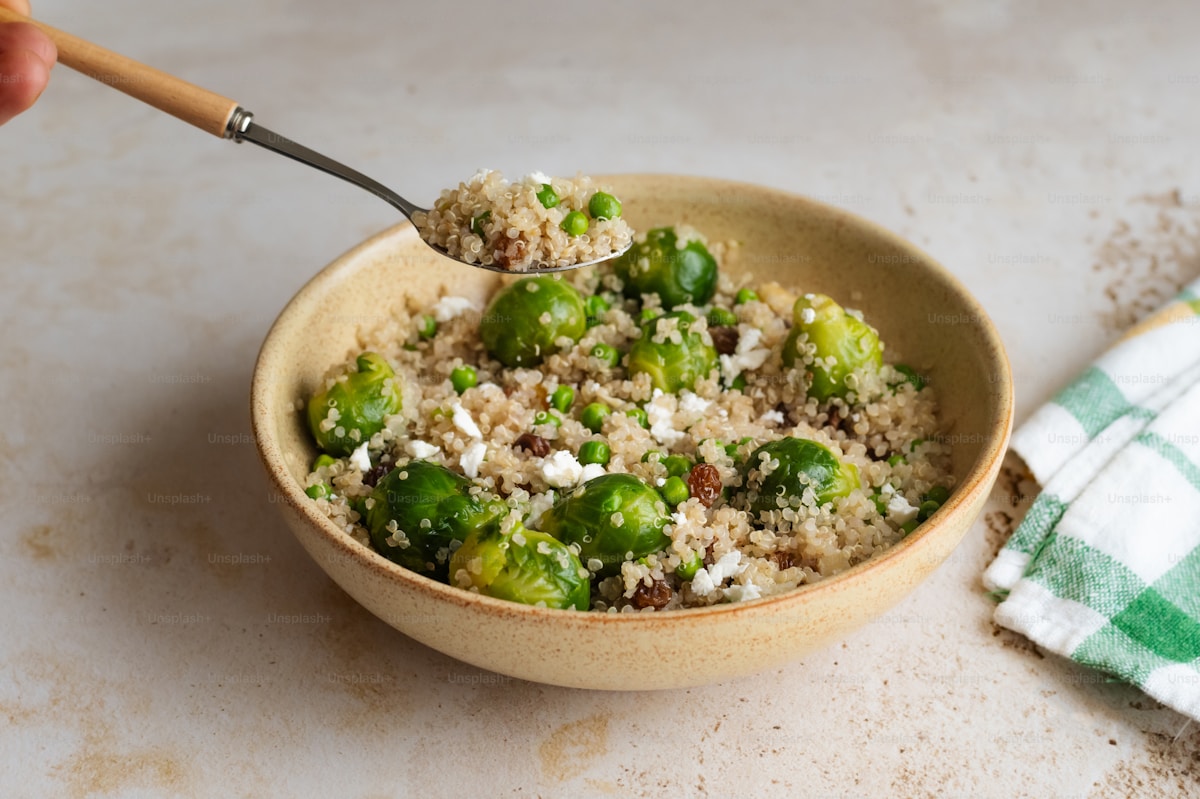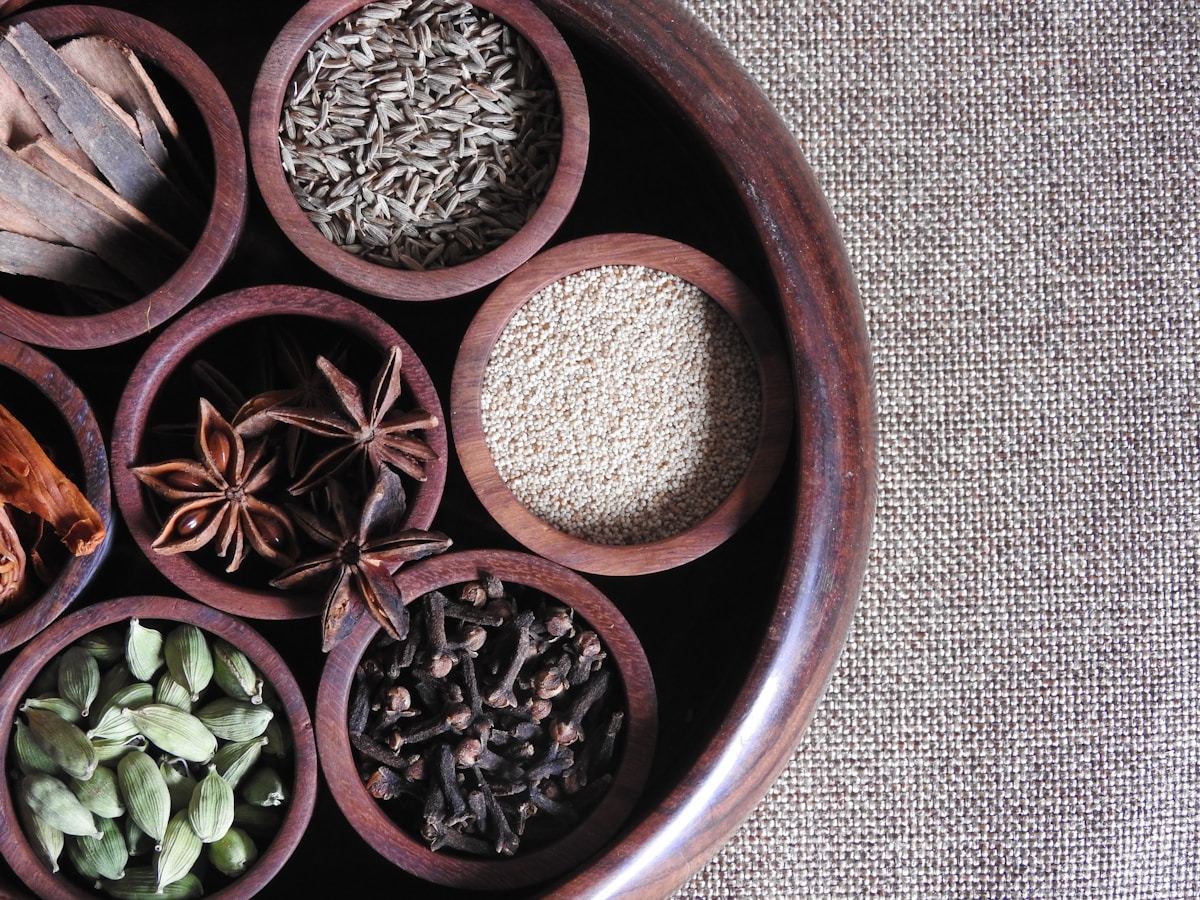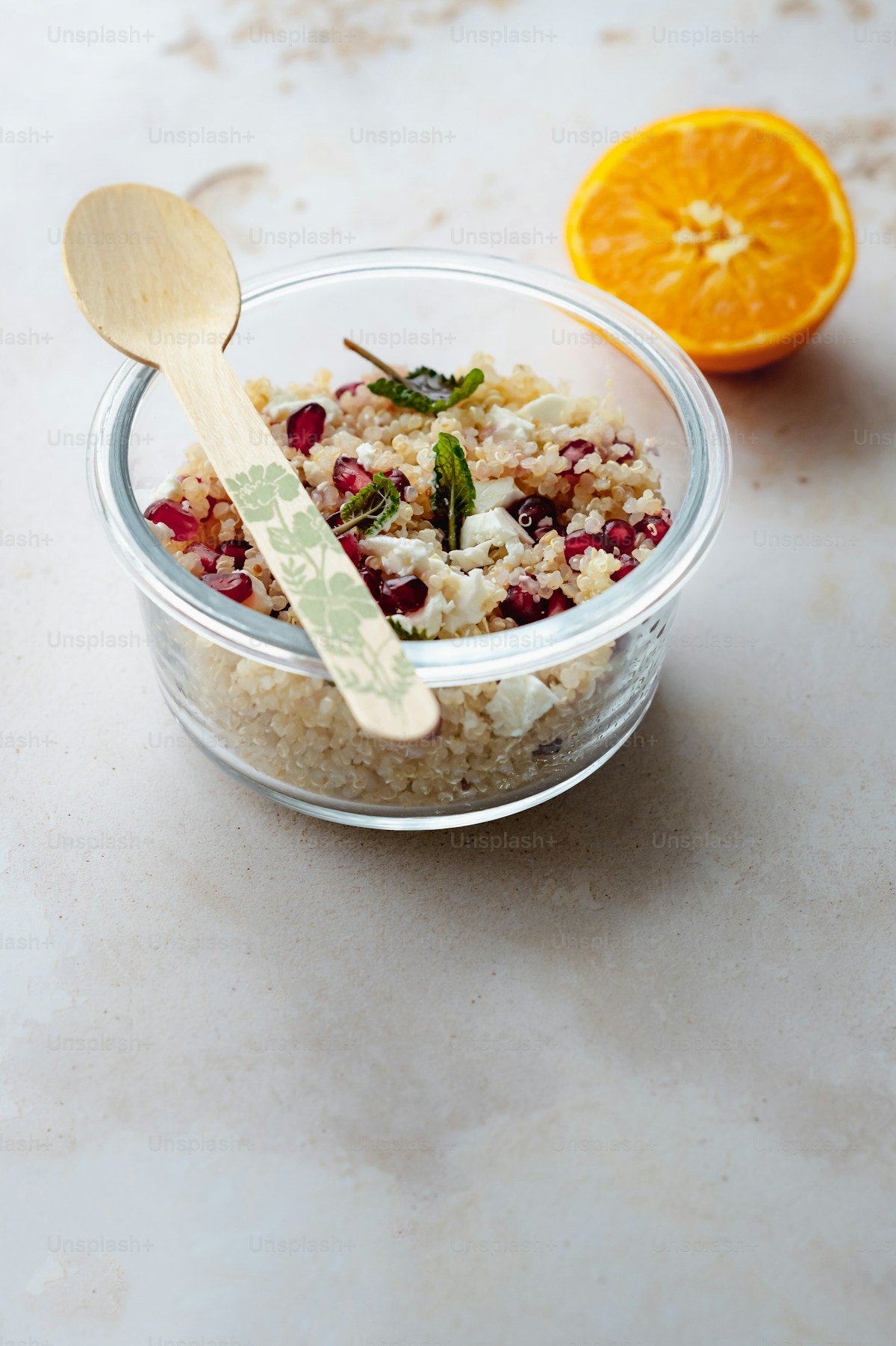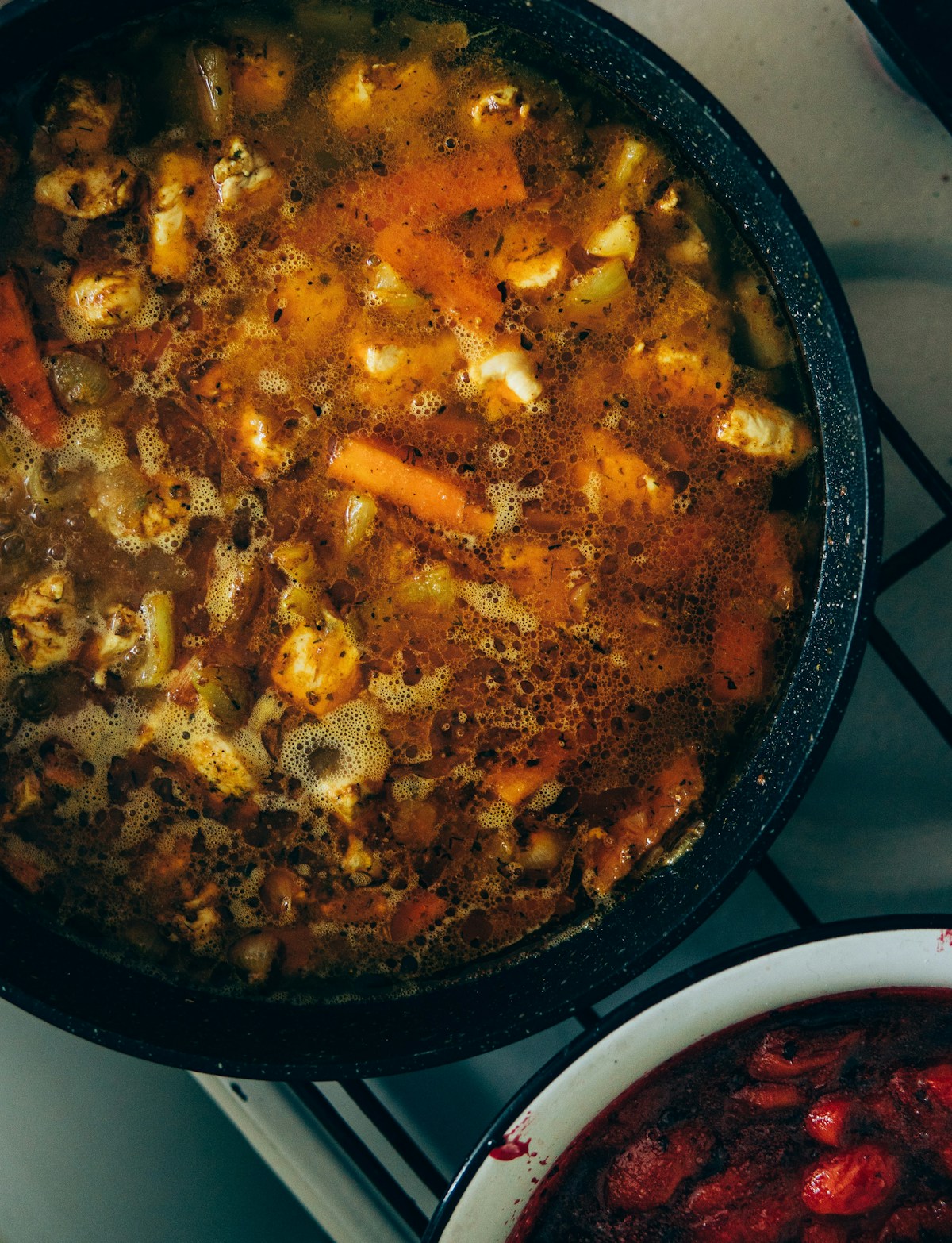
There is something deeply satisfying about a pot of soup bubbling away on the stove, and when you add quinoa to the mix, you get a bowl that is genuinely filling without relying on pasta, rice, or heavy cream to do the work. Quinoa brings body, protein, and a gentle nuttiness that makes soup feel like a real meal rather than an appetizer pretending to be dinner.
If you have ever stirred quinoa into a soup and ended up with something closer to porridge than broth, you are not alone. Timing and technique matter here. This guide covers why quinoa works so well in soups and stews, which varieties to use, when to add it during cooking, and a collection of recipes that range from light and brothy to thick and stew-like. You will also find slow cooker tips, storage advice, and freezing instructions so you can make big batches without waste.
Why Quinoa Works So Well in Soups
Most grains you add to soup serve one purpose: bulk. Quinoa does more. Here is what makes it different from pasta, rice, or barley in a soup pot.
It thickens naturally. As quinoa cooks, it releases starch into the surrounding liquid. This creates a silky, slightly thickened broth without adding flour, cornstarch, or cream. The effect is subtle in brothy soups and more pronounced in stews, where it gives the liquid a velvety consistency that clings to your spoon.
It adds real protein. A single cup of cooked quinoa contains about 8 grams of complete protein, meaning it provides all nine essential amino acids your body needs. That is a significant boost for a vegetable soup that might otherwise leave you hungry an hour later. For more on building high-protein quinoa meals, see the quinoa protein pairings guide.
It cooks quickly. Quinoa is ready in 15 minutes, which means you can build a deeply flavored broth first and add the quinoa near the end without holding up dinner. Compare that to barley, which needs 45 minutes or more, or dried beans, which require overnight soaking.
It holds its shape. When cooked properly, quinoa grains stay distinct and slightly springy in soup. They absorb flavor from the broth without dissolving into mush, which gives every spoonful a pleasant texture.
It is naturally gluten-free. If you are cooking for someone with celiac disease or a gluten sensitivity, quinoa replaces pasta and barley without any compromise on heartiness.
Choosing the Right Quinoa for Soup
Not all quinoa behaves the same way in liquid. The variety you choose affects texture, flavor, and how much it thickens the broth. If you want a full breakdown of the differences, the white, red, and black quinoa guide covers everything in detail.
White quinoa is the best all-purpose choice for soups. It cooks the softest, releases the most starch, and has the mildest flavor. Use it when you want quinoa to blend into the soup rather than stand out. It works especially well in creamy soups, chowders, and any recipe where you want a thicker consistency.
Red quinoa holds its shape better than white and has a slightly earthier taste. It is a good choice for chunky stews and minestrone-style soups where you want the quinoa to remain visible and add some textural contrast. It does not thicken the broth as much as white.
Black quinoa is the firmest variety and has the most assertive flavor. It stays very distinct in soups, almost like tiny seeds scattered through the broth. Use it when you want a dramatic visual contrast or when the soup has bold flavors that can stand up to the quinoa’s earthiness.
Tri-color quinoa gives you a mix of all three, which works fine in most recipes. Just be aware that the three varieties cook at slightly different rates, so you may notice some grains softer than others.
For most soup recipes in this guide, white quinoa is the recommended default. Switch to red or black when a specific recipe calls for it or when you want more texture.
When to Add Quinoa During Cooking
This is the single most important thing to get right. Add quinoa too early, and it absorbs all the liquid, swells up, and turns your soup into a thick porridge. Add it too late, and you end up with crunchy grains floating in broth.
The golden rule: add quinoa 15-18 minutes before serving. That gives it enough time to cook through, absorb some broth flavor, and release just the right amount of starch without overcooking.
Here is a more detailed breakdown for different situations:
- For stovetop soups: Build your broth, cook your vegetables until they are nearly tender, then stir in rinsed raw quinoa. Simmer for 15 minutes with the lid on, then check a grain. It should be translucent with a visible spiral (the germ separating from the seed).
- For slow cooker soups: Add quinoa during the last 20-25 minutes of cooking on high, or the last 30-35 minutes on low. Do not add it at the start or it will completely dissolve.
- For Instant Pot or pressure cooker soups: Add quinoa with the rest of the ingredients and set the pressure cook time to 5 minutes with a 10-minute natural release. The high pressure environment cooks quinoa faster than stovetop methods.
- Using pre-cooked quinoa: If you batch cook quinoa ahead of time, you can stir it in during the last 2-3 minutes of cooking, just long enough to warm through. This gives you the most control over texture since the quinoa is already done.
A note on liquid ratios: Quinoa absorbs roughly twice its volume in liquid. For every cup of dry quinoa you add to soup, you will need about 2 extra cups of broth to maintain your desired consistency. If the soup gets too thick as it sits, stir in more broth or water when reheating.
Classic Quinoa Soup Recipes
These five recipes cover a range of flavors and styles, from a light Italian-inspired minestrone to a thick and warming lentil stew. Each serves 6-8 as a main course.
Chicken Quinoa Soup
This is the recipe to make when someone in your house is sick, tired, or just needs a warm hug in bowl form. It is essentially a classic chicken soup with quinoa standing in for noodles.
Ingredients:
- 1 tablespoon olive oil
- 1 medium yellow onion, diced
- 3 carrots, peeled and sliced into half-moons
- 3 celery stalks, sliced
- 4 cloves garlic, minced
- 8 cups chicken broth (low sodium)
- 1 cup white quinoa, rinsed
- 2 cups shredded cooked chicken (rotisserie works perfectly)
- 2 bay leaves
- 1 teaspoon dried thyme
- Salt and black pepper to taste
- Fresh parsley and a squeeze of lemon to finish
Instructions:
- Heat olive oil in a large pot or Dutch oven over medium heat. Add the onion, carrots, and celery. Cook for 5-6 minutes, stirring occasionally, until the vegetables soften.
- Add the garlic and cook for 30 seconds until fragrant.
- Pour in the chicken broth and add the bay leaves and thyme. Bring to a boil.
- Stir in the rinsed quinoa. Reduce heat to a gentle simmer, cover, and cook for 15 minutes.
- Add the shredded chicken and cook for another 3-4 minutes until the chicken is heated through and the quinoa is tender.
- Remove the bay leaves. Season with salt and pepper. Serve topped with fresh parsley and a squeeze of lemon juice.
Tips: Use bone-in, skin-on chicken thighs for the richest flavor. Poach them in the broth for 25 minutes before adding the vegetables, then shred and return them to the pot. The thigh meat stays moist and adds a depth that breast meat cannot match.
Quinoa Minestrone
A hearty Italian vegetable soup that trades pasta for quinoa. This version is naturally gluten-free and loaded with vegetables. It makes excellent leftovers because the flavors deepen overnight.
Ingredients:
- 2 tablespoons olive oil
- 1 medium onion, diced
- 2 carrots, diced
- 2 celery stalks, diced
- 3 cloves garlic, minced
- 1 can (14 oz) diced tomatoes
- 1 can (14 oz) kidney beans, drained and rinsed
- 6 cups vegetable broth
- 1 cup white or red quinoa, rinsed
- 1 medium zucchini, diced
- 2 cups chopped kale or spinach
- 1 teaspoon dried oregano
- 1 teaspoon dried basil
- Salt, pepper, and red pepper flakes to taste
- Parmesan rind (optional, for simmering)
- Fresh basil and grated Parmesan for serving
Instructions:
- Heat olive oil in a large pot over medium heat. Saut the onion, carrots, and celery for 5-6 minutes until softened.
- Add garlic, oregano, and basil. Cook for 30 seconds.
- Add the diced tomatoes (with juices), kidney beans, and vegetable broth. Drop in the Parmesan rind if using. Bring to a boil.
- Stir in the quinoa and zucchini. Reduce heat, cover, and simmer for 15 minutes.
- Add the kale or spinach and cook for 2-3 more minutes until wilted.
- Remove the Parmesan rind. Season with salt, pepper, and red pepper flakes.
- Serve with fresh basil and grated Parmesan on top.
This recipe is a great way to use up whatever vegetables you have on hand. Swap the zucchini for green beans, add diced potatoes, or toss in a handful of corn. The soup adapts to whatever is in your fridge.
Mexican Tortilla Soup with Quinoa
Smoky, spicy, and loaded with toppings, this soup brings big flavor. The quinoa adds substance without making it heavy, and the charred tortilla strips on top give it crunch.
Ingredients:
- 1 tablespoon avocado oil
- 1 medium onion, diced
- 1 poblano pepper, seeded and diced
- 1 jalapeno, seeded and minced (optional)
- 4 cloves garlic, minced
- 1 can (14 oz) fire-roasted diced tomatoes
- 1 can (14 oz) black beans, drained and rinsed
- 6 cups chicken or vegetable broth
- 3/4 cup white quinoa, rinsed
- 1 tablespoon chili powder
- 1 teaspoon cumin
- 1 teaspoon smoked paprika
- 1/2 teaspoon chipotle powder (adjust to taste)
- Juice of 1 lime
- Salt to taste
Toppings:
- Crispy baked tortilla strips
- Diced avocado
- Sour cream or Mexican crema
- Fresh cilantro
- Shredded cheese
- Lime wedges
Instructions:
- Heat oil in a large pot over medium-high heat. Add the onion and poblano pepper. Cook for 5 minutes until charred at the edges.
- Add the jalapeno and garlic. Cook for 1 minute.
- Stir in the chili powder, cumin, smoked paprika, and chipotle powder. Toast the spices for 30 seconds.
- Add the fire-roasted tomatoes, black beans, and broth. Bring to a boil.
- Stir in the quinoa. Reduce heat to a simmer, cover, and cook for 15 minutes.
- Stir in the lime juice and season with salt.
- Serve in deep bowls, piled high with toppings.
Spice guidance: If you want to dial up the heat, add more chipotle powder a quarter teaspoon at a time. For milder palates, skip the jalapeno and reduce the chipotle. The quinoa spice guide has a full list of spices that pair well with quinoa if you want to experiment further.
Lentil Quinoa Stew
This is the thickest, most filling recipe in the collection. Lentils and quinoa together create a stew so rich in protein and fiber that even dedicated meat-eaters do not miss the meat. It is peasant food in the best sense: cheap, nourishing, and deeply satisfying.
Ingredients:
- 2 tablespoons olive oil
- 1 large onion, diced
- 3 carrots, diced
- 3 celery stalks, diced
- 4 cloves garlic, minced
- 1 cup brown or green lentils, rinsed
- 1/2 cup white quinoa, rinsed
- 1 can (14 oz) diced tomatoes
- 7 cups vegetable broth
- 2 teaspoons cumin
- 1 teaspoon smoked paprika
- 1/2 teaspoon turmeric
- 4 cups chopped kale or Swiss chard
- 2 tablespoons lemon juice
- Salt and pepper to taste
Instructions:
- Heat olive oil in a Dutch oven over medium heat. Add the onion, carrots, and celery. Cook for 6-7 minutes until the onion is translucent.
- Add the garlic, cumin, smoked paprika, and turmeric. Stir for 30 seconds until fragrant.
- Add the lentils, diced tomatoes, and vegetable broth. Bring to a boil, then reduce heat and simmer, partially covered, for 20 minutes until the lentils are almost tender.
- Stir in the quinoa. Cover and continue simmering for 15 more minutes.
- Add the kale and cook for 3-4 minutes until wilted.
- Stir in the lemon juice. Season with salt and pepper.
Note: This stew thickens considerably as it cools. When reheating leftovers, add a splash of broth or water to loosen it back up. The lentils and quinoa continue to absorb liquid even after cooking, so expect leftovers to be much thicker than the original batch.
Creamy Vegetable Quinoa Soup
A lush, velvety soup that gets its creaminess from blended white quinoa and vegetables rather than heavy cream. It is lighter than it tastes and works as both a weeknight dinner and a first course for company.
Ingredients:
- 2 tablespoons butter or olive oil
- 1 medium onion, diced
- 2 cloves garlic, minced
- 2 medium potatoes, peeled and diced
- 2 carrots, diced
- 1 cup cauliflower florets
- 6 cups vegetable broth
- 3/4 cup white quinoa, rinsed
- 1/2 cup milk (dairy or unsweetened plant-based)
- 1 teaspoon dried thyme
- Salt, pepper, and nutmeg to taste
- Fresh chives for garnish
Instructions:
- Melt butter in a large pot over medium heat. Add the onion and cook for 4-5 minutes until soft. Add garlic and cook 30 seconds more.
- Add the potatoes, carrots, cauliflower, broth, and thyme. Bring to a boil, then reduce heat and simmer for 10 minutes.
- Add the quinoa and continue simmering, covered, for 15 minutes until everything is very tender.
- Remove about 3 cups of the soup and blend until smooth using an immersion blender or countertop blender. Return the blended portion to the pot. This gives you a creamy base with visible chunks of vegetables and quinoa throughout.
- Stir in the milk and a pinch of nutmeg. Heat through without boiling. Season with salt and pepper.
- Serve garnished with fresh chives.
Variations: Add a cup of broccoli florets with the quinoa for extra green. Swap the potatoes for sweet potatoes for a slightly sweeter version. Stir in a handful of sharp cheddar at the end for a broccoli-cheddar quinoa soup that is absurdly good.
More Quinoa Soup and Stew Ideas
Beyond the five core recipes above, quinoa works in almost any soup you already make. Here are some quick ideas to get you started:
- White bean and quinoa soup: A simple broth-based soup with canned white beans, quinoa, rosemary, and a drizzle of good olive oil. Finish with lemon zest.
- Thai coconut quinoa soup: Coconut milk, red curry paste, quinoa, mushrooms, and bok choy. Top with fresh basil, lime, and sriracha.
- Quinoa tomato bisque: Blend roasted tomatoes, quinoa, and broth until smooth. The quinoa adds body and protein, making the bisque substantial enough for a main course.
- Quinoa and sausage stew: Brown Italian sausage, then build a stew with potatoes, kale, white beans, and quinoa. The sausage fat flavors the entire pot.
- Curried quinoa and sweet potato soup: Saute onion and garlic with curry powder, add cubed sweet potatoes and broth, then stir in quinoa. Blend partially for a creamy-chunky texture.
If you enjoy one-pot meals with bold spice profiles, the Instant Pot quinoa chili and slow cooker quinoa enchilada casserole use similar techniques and freeze just as well as any soup on this list.
Slow Cooker Tips for Quinoa Soups
The slow cooker is ideal for building deep, complex flavors in soups and stews. The long, gentle cooking extracts every bit of flavor from aromatics, bones, and vegetables. But it can turn quinoa to mush if you are not careful.
Add quinoa late in the cooking process. This is the most important rule. Set your slow cooker with the broth, vegetables, and seasonings in the morning, then stir in the quinoa during the last 20-30 minutes on high or 30-40 minutes on low. Set a timer so you do not forget.
Use a bit less liquid than usual. Slow cookers lose very little liquid to evaporation compared to stovetop pots. If a recipe calls for 8 cups of broth on the stovetop, start with 7 in the slow cooker.
Consider cooking quinoa separately. If your schedule does not allow you to be home to add quinoa at the right time, cook the quinoa on the stovetop or in a rice cooker, store it in the fridge, and stir it into individual bowls when serving. This keeps the quinoa perfectly textured no matter how long the soup sits in the slow cooker.
Layer strategically. Put dense root vegetables (potatoes, carrots, turnips) on the bottom where they are closest to the heat source. Leafy greens and quinoa go in at the end.
Do not lift the lid. Every time you open the slow cooker, you lose heat and add 15-20 minutes to the cooking time. Trust the process and only open the lid when it is time to add quinoa or check for doneness near the end.
Building Flavor in Quinoa Soups
A good soup starts with a good foundation. Here are the techniques that make the difference between a forgettable bowl and one you crave.
Toast the quinoa first. Before adding quinoa to the pot, toast it dry in a skillet over medium heat for 2-3 minutes, stirring constantly, until it smells nutty and you hear it start to pop. This deepens the flavor significantly and only takes a couple of extra minutes.
Build a proper base. Take the time to sweat your onions, carrots, and celery (the classic mirepoix) until they are soft and golden before adding liquid. This caramelization creates layers of flavor that no amount of seasoning can replicate.
Toast your spices. Add dried spices to the sauteed vegetables and cook them in the fat for 30-60 seconds before adding liquid. This blooms the spices, releasing their essential oils and making them taste more vibrant. The quinoa spice guide has detailed pairing recommendations for every cuisine.
Use homemade stock when possible. The difference between soup made with homemade stock and soup made with boxed broth is enormous. If you roast a chicken, save the carcass and simmer it with vegetable scraps for 2-3 hours. Freeze the stock in 2-cup portions so you always have some on hand.
Finish with acid. A squeeze of lemon juice, a splash of vinegar, or a spoonful of tomato paste stirred in at the end brightens every flavor in the bowl. Acid cuts through richness and makes the soup taste more alive. This applies to every soup recipe on this page.
Add fresh herbs at the end. Dried herbs go in early for their background flavor. Fresh herbs like parsley, cilantro, dill, and basil should be added in the last minute of cooking or scattered on top when serving. Heat destroys their bright, volatile flavors quickly.
Storing Quinoa Soups
Quinoa soups store well, but they do change texture over time because the quinoa continues absorbing liquid even after cooking.
In the refrigerator: Store in airtight containers for up to 4-5 days. Expect the soup to thicken as it sits. Add broth or water when reheating to bring it back to the right consistency. Let the soup cool to room temperature before refrigerating, and get it into the fridge within 2 hours of cooking. For more on safe storage practices, check the quinoa storage guide.
Reheating: Warm refrigerated soup on the stovetop over medium heat, stirring occasionally. Add liquid as needed. Microwave works too — cover loosely and heat in 90-second intervals, stirring between each.
Portion control tip: Store soup in single-serving containers (about 1.5 to 2 cups each) so you can grab one for lunch or dinner without reheating the entire batch.
Freezing Quinoa Soups
Most quinoa soups freeze beautifully, making them ideal candidates for batch cooking. There are a few exceptions and tricks worth knowing.
What freezes well: Broth-based soups with quinoa, beans, root vegetables, and proteins all freeze and reheat without issues. The quinoa holds its shape through the freeze-thaw cycle better than most grains.
What does not freeze well: Soups with dairy (cream, milk, cheese) can separate and become grainy after freezing. If a recipe includes dairy, freeze the soup without it and stir in the dairy when reheating. Soups with potatoes can get mealy — if that bothers you, add the potatoes fresh when reheating instead.
Freezing method:
- Cool the soup completely. Spread it in a shallow container to speed this up.
- Ladle the soup into freezer-safe zip-top bags or rigid containers, leaving about an inch of headspace for expansion.
- If using bags, lay them flat on a sheet pan in the freezer until solid. Once frozen, they stack neatly and save space.
- Label each bag or container with the soup name and date.
How long do frozen quinoa soups last? Up to 3 months in the freezer. They are safe to eat beyond that, but the flavor and texture gradually decline.
Reheating from frozen: Thaw overnight in the fridge for the best results, then warm on the stovetop. If you need it faster, run the sealed bag under warm water for a few minutes to loosen the block, then transfer to a pot over medium-low heat. Add a splash of broth as it heats. You can also microwave from frozen in a covered bowl, stirring every 2 minutes.
For a deeper look at freezing all kinds of quinoa meals, the freezer-friendly quinoa meals guide covers ten recipes with detailed packaging and reheating instructions.
Common Mistakes and How to Avoid Them
Even experienced cooks run into trouble with quinoa soups. Here are the mistakes that come up most often.
Adding quinoa too early. This is the number one problem. Quinoa absorbs liquid aggressively, and if it simmers for 30-40 minutes instead of 15, you will end up with a thick porridge rather than a soup. Always add it in the last 15-18 minutes.
Skipping the rinse. Quinoa has a natural coating called saponin that tastes bitter and soapy. Always rinse quinoa under cold running water in a fine-mesh strainer for 30-60 seconds before adding it to soup. Some brands are pre-rinsed, but rinsing again does not hurt.
Not adjusting liquid. Every cup of dry quinoa absorbs about 2 cups of liquid. If you add quinoa to a soup without increasing the broth, you will end up with something too thick. Scale your broth accordingly, and keep extra broth on hand for leftovers.
Under-seasoning. Quinoa is mild, and it dilutes the flavor of whatever it is cooked in. Taste your soup after the quinoa finishes cooking and adjust the salt, acid, and spices. You will almost always need more seasoning than you think.
Overcrowding the pot. If you use too much quinoa relative to the liquid, the soup becomes dense and stew-like. For a brothy soup, use 1/2 to 3/4 cup of dry quinoa per 6-8 cups of broth. For a thicker stew, you can push that up to 1 cup.
Quinoa Soup Meal Prep Strategy
Soup is one of the easiest meals to prep in advance, and quinoa soups are no exception. Here is a practical approach for getting a week of lunches or dinners from a single cooking session.
Option 1: Cook everything together. Make a full pot of soup on Sunday, portion it into single-serving containers, and refrigerate enough for 3-4 days. Freeze the rest. Pull frozen portions from the freezer on Wednesday or Thursday to thaw overnight for the end of the week.
Option 2: Keep components separate. Make the broth and vegetables on Sunday. Cook a batch of quinoa separately and store it in the fridge. When you are ready to eat, combine a scoop of quinoa with a ladle of soup and heat them together. This keeps the quinoa from absorbing all the broth during storage, so your fifth bowl tastes as good as your first. This works especially well when you have cooked quinoa on hand from a weekend batch.
Option 3: Freeze flat for maximum efficiency. Pour cooled soup into gallon or quart zip-top bags, press out the air, and freeze flat. A quart bag of soup frozen flat takes up as little space as a magazine. Stack ten bags in the same space as two round containers.
Quinoa soups are among the most forgiving meals you can cook. The broth provides flavor, the quinoa provides substance, and the vegetables provide everything else. Start with one recipe from this guide, make a double batch, freeze half, and you will have dinner covered for the week with minimal effort. Once you get comfortable with the timing and ratios, you will find yourself adding quinoa to every soup you make.
For a straightforward starting point, our quinoa vegetable soup is a ready-in-40-minute one-pot meal packed with carrots, zucchini, spinach, and crushed tomatoes — a reliable weeknight staple that doubles as excellent meal prep.